
DIABETIC RETINOPATHY
TREATMENT IN SINGAPORE
18+ years of clinical
& surgical experience
Comprehensive Care for
Diabetic Eye Conditions
AcCredited in Singapore,
UK and Canada
DIABETIC RETINOPATHY
TREATMENT IN SINGAPORE
18+ years experience
10,000+ eye surgeries
Premium Lens Implant & Complex Cataract Surgery
Accredited In SIngapore, UK and Canada
Signs Your Eyes are Affected by Diabetic Retinopathy
Diabetic retinopathy develops when diabetes damages the small blood vessels in the retina. The risk increases with long-standing diabetes and poor blood sugar control, and it is also higher in people with high blood pressure or high cholesterol. Many patients still feel well and do not notice early changes, which is why any symptoms should never be ignored.

Blurred Vision
Vision becomes unclear or varies from day to day, especially when blood sugar levels are unstable.

Dark Spots or Floaters
Dark spots or strings drifting across vision due to bleeding or fluid changes in the retina.

Difficulty Seeing at Night
Reduced ability to see clearly in low-light conditions can occur as retinal function is affected.

Distorted or Patchy Vision
Straight lines appear wavy, or areas of vision seem missing or shadowed.

Dark/Empty Areas
Dark or blank patches appear within the field of vision as areas of retina lose normal function.

Colour Vision Loss
Colours appear faded or less vivid, and difficulty distinguishing between shades.
Because symptoms are subtle at first, regular eye examinations are essential for people with diabetes.
Senior Consultant Ophthalmologist
ASCEND EYE CLINIC, SINGAPORE
Medical Director & Senior Consultant Ophthalmologist
ASCEND EYE CLINIC, SINGAPORE
What is Diabetic Retinopathy?
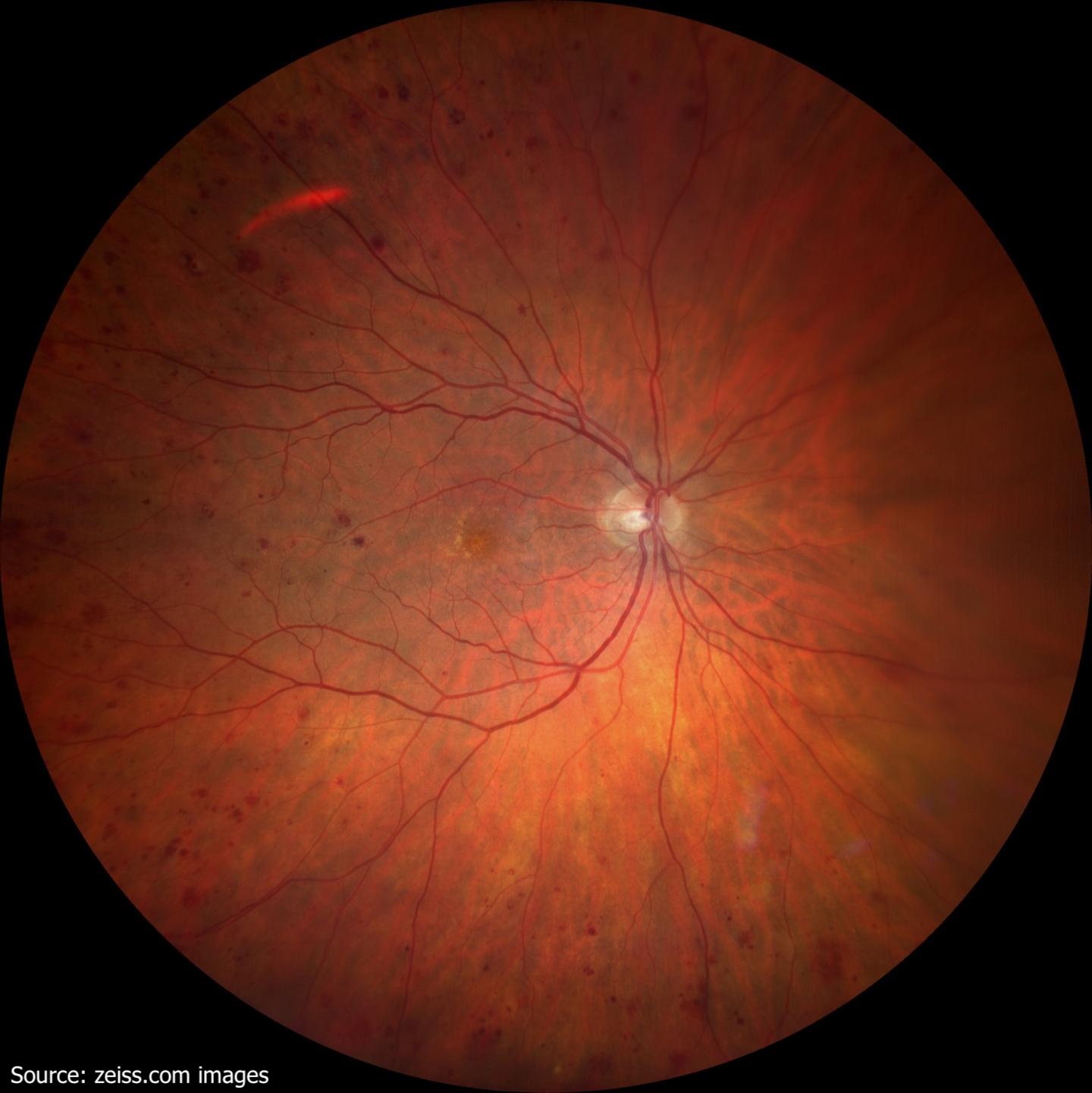
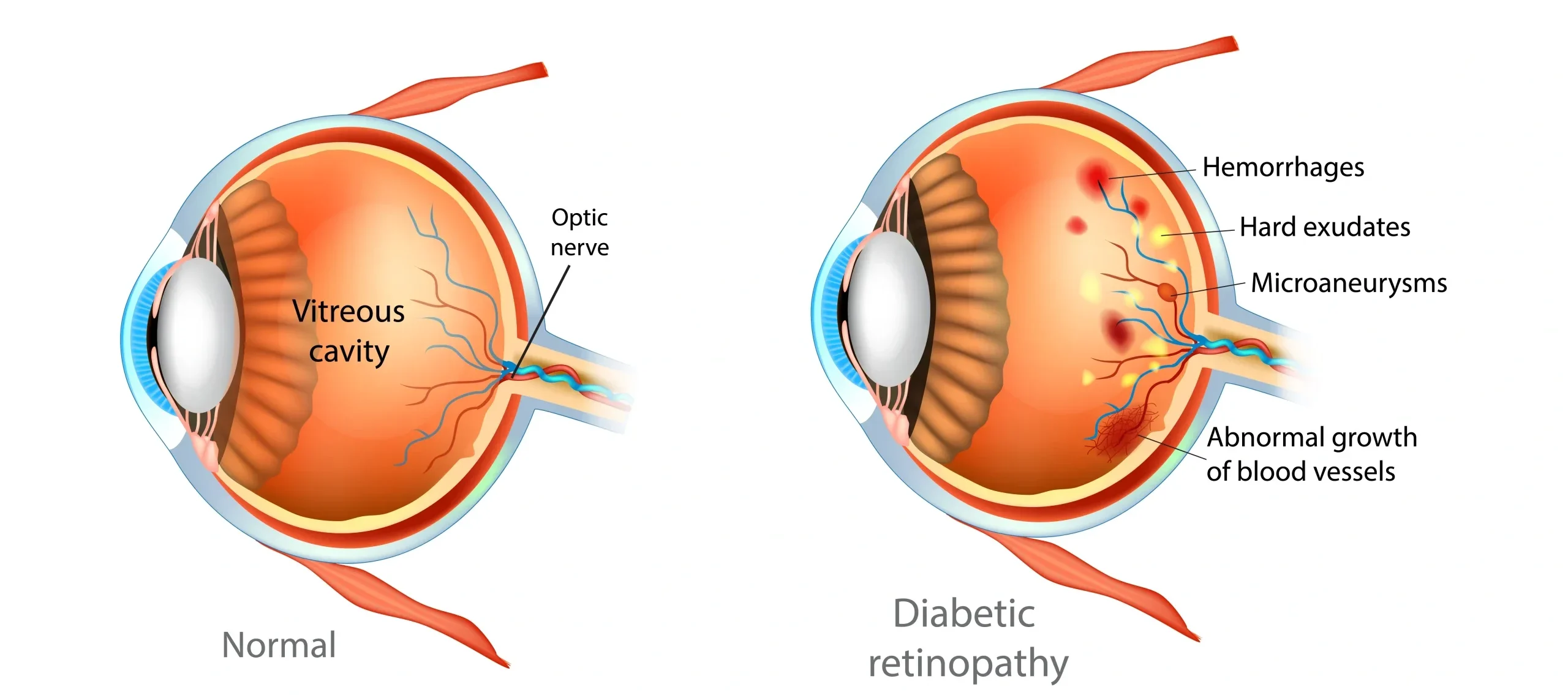
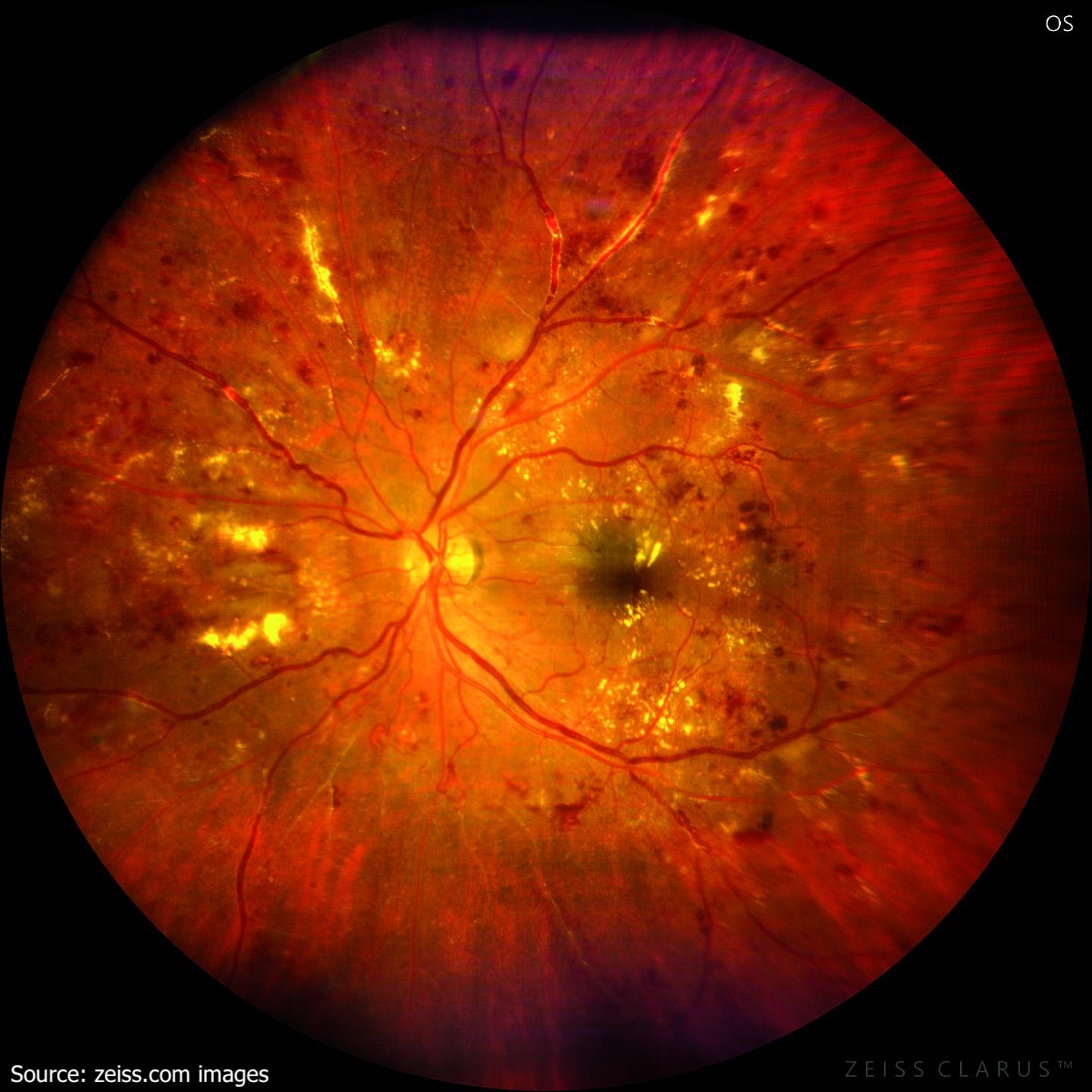
Diabetic retinopathy is an eye condition caused by damage to the small blood vessels in the retina due to diabetes. Over time, high blood sugar levels can weaken these vessels, causing them to leak fluid or bleed, which affects vision.
In its early stages, diabetic retinopathy does not cause noticeable symptoms. As the condition progresses, it can lead to swelling of the retina (diabetic macular oedema) or the growth of abnormal blood vessels, increasing the risk of significant and permanent vision loss.
Because changes in the retina can begin before vision is affected, regular eye examinations and retinal imaging are essential for early detection and timely management.
Common Types of Diabetic Retinopathy
Diabetic retinopathy can present in different stages. Identifying the stage accurately is important in deciding the right treatment and follow-up plan.

Non-Proliferative Diabetic Retinopathy (NPDR)
The early stage of diabetic retinopathy, where damaged blood vessels leak fluid or blood. Vision may still be normal, so you will not notice anything yet, but under retinal scans the changes are visible.
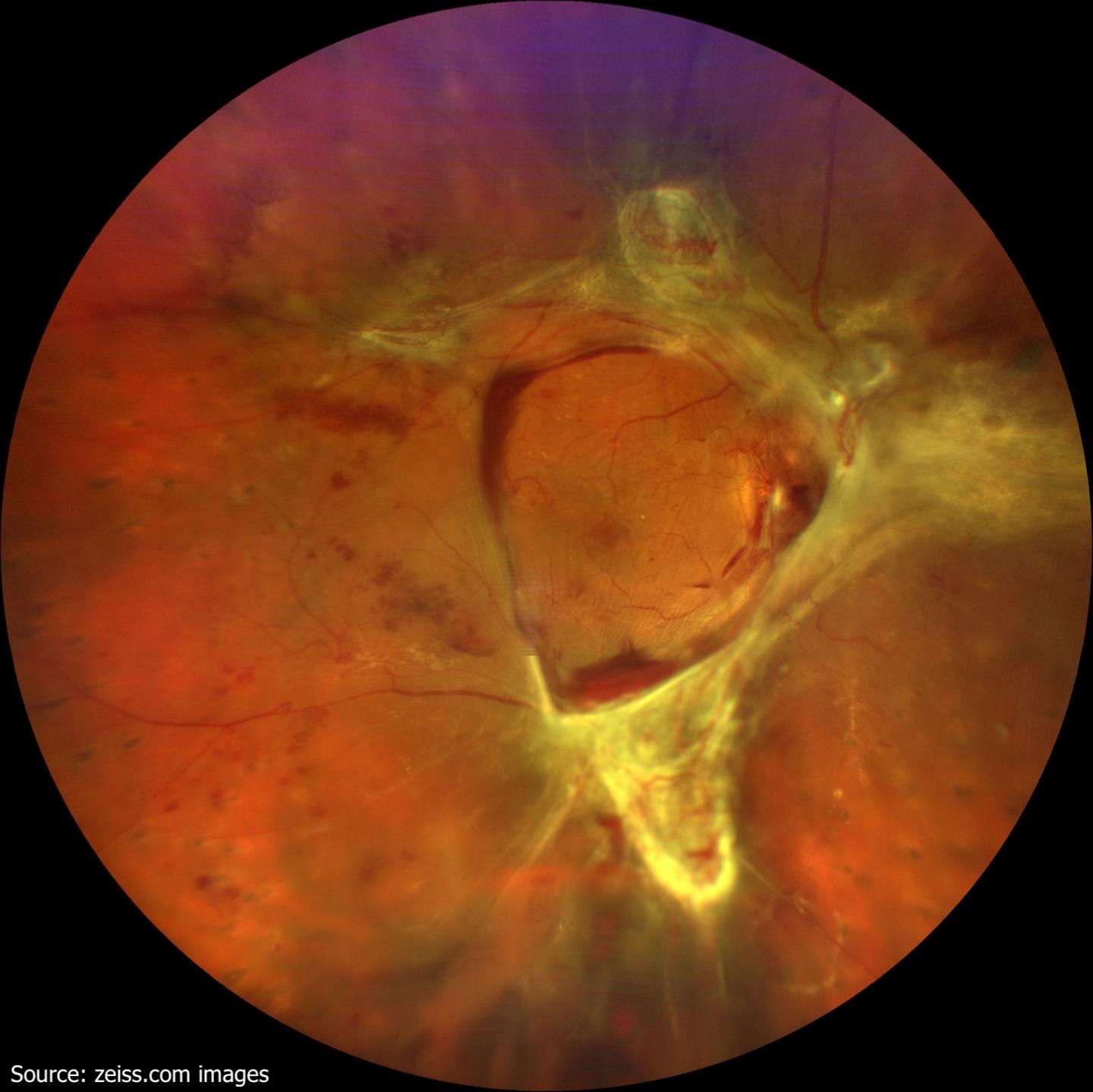
Proliferative Diabetic Retinopathy (PDR)
An advanced stage where abnormal new blood vessels grow in the retina. These vessels are fragile and can bleed, increasing the risk of severe vision loss.
Diabetic Macular Oedema (DMO)
Swelling in the central part of the retina (macula) caused by fluid leakage. This can occur at any stage and commonly affects sharp, central vision.

Early Detection of Diabetic Retinopathy
Diabetic retinopathy often develops silently, especially in the early stages. By the time vision is noticeably affected, retinal damage can be permanent.
Regular eye examinations are essential for people with diabetes. Early detection through retinal imaging and detailed eye assessment allows treatment to be started at the right time, helping to reduce the risk of vision loss and long-term complications.
Even if your vision feels normal, routine screening plays a critical role in protecting your eyesight over time.
Signs That You Need an Eye & Retina Check
Changes in retinal health can affect vision subtly at first but may progress quickly. Seek an eye assessment if you notice any of the following symptoms:

Floaters & Flashes of Light
Sudden appearance of spots, lines, or flashes may indicate changes in the retina and should not be ignored.

Distorted or Wavy Vision
Straight lines appearing bent or distorted can be a sign of macular or retinal conditions affecting central vision.

Blurry Vision
Gradual or sudden blurring of vision may occur when the retina is unable to transmit clear visual signals.

Common Retinal Conditions
The retina is affected by a wide range of conditions, some developing gradually and others occurring suddenly.
At Ascend Eye Clinic, Dr Errol Chan manages both common and complex retinal problems, including:
Retinal
Detachment
Separation of the retina from the eye wall, requiring urgent treatment to prevent permanent vision loss.
Central Serous
Retinopathy
Fluid leakage under the retina that causes blurred or distorted central vision.
Epiretinal Membrane
(Macular Pucker)
A thin layer of scar tissue forming on the macula, leading to visual distortion, blind spots, and blurring.
Dislocated or
Subluxed Lens
Movement of the eye’s natural lens out from its normal position, affecting vision clarity and stability.
Diabetic Retinal
Disease
Retinal damage caused by diabetes, progresses silently without regular eye checks.
Age-Related Macular Degeneration
A retinal condition affecting central vision, commonly associated with aging.
Retinal Vein
Blockage
Blocked blood flow in retinal veins, leading to sudden or sub-acute vision loss.
Retinal Artery
Blockage
A serious retinal condition caused by interrupted blood supply to the retina, requiring urgent medical attention.
Macular
Hole
A break in the retina at the macula region, that causes central vision distortion or blurring.
Visual Floaters
and Spots
Uveitis and Eye
Inflammation
Inflammation inside the eye that affects the retina and threatening vision if untreated.
Genetic Eye
Conditions
Inherited retinal disorders that impact vision and require long-term monitoring.
Diabetic Retinopathy Treatment Strategies
At Ascend Eye Clinic in Singapore, we place a priority on the careful and timely management of diabetic retinopathy, with treatment tailored to each patient’s disease stage, retinal findings, and overall eye health. The goal is to stabilise the retina, prevent further damage, and preserve vision. We offer a comprehensive range of established and contemporary treatments, selecting the most appropriate approach for each individual.
Medical Management and Monitoring
In early stages, careful monitoring combined with good control of blood sugar, blood pressure, and cholesterol plays an important role in slowing disease progression.
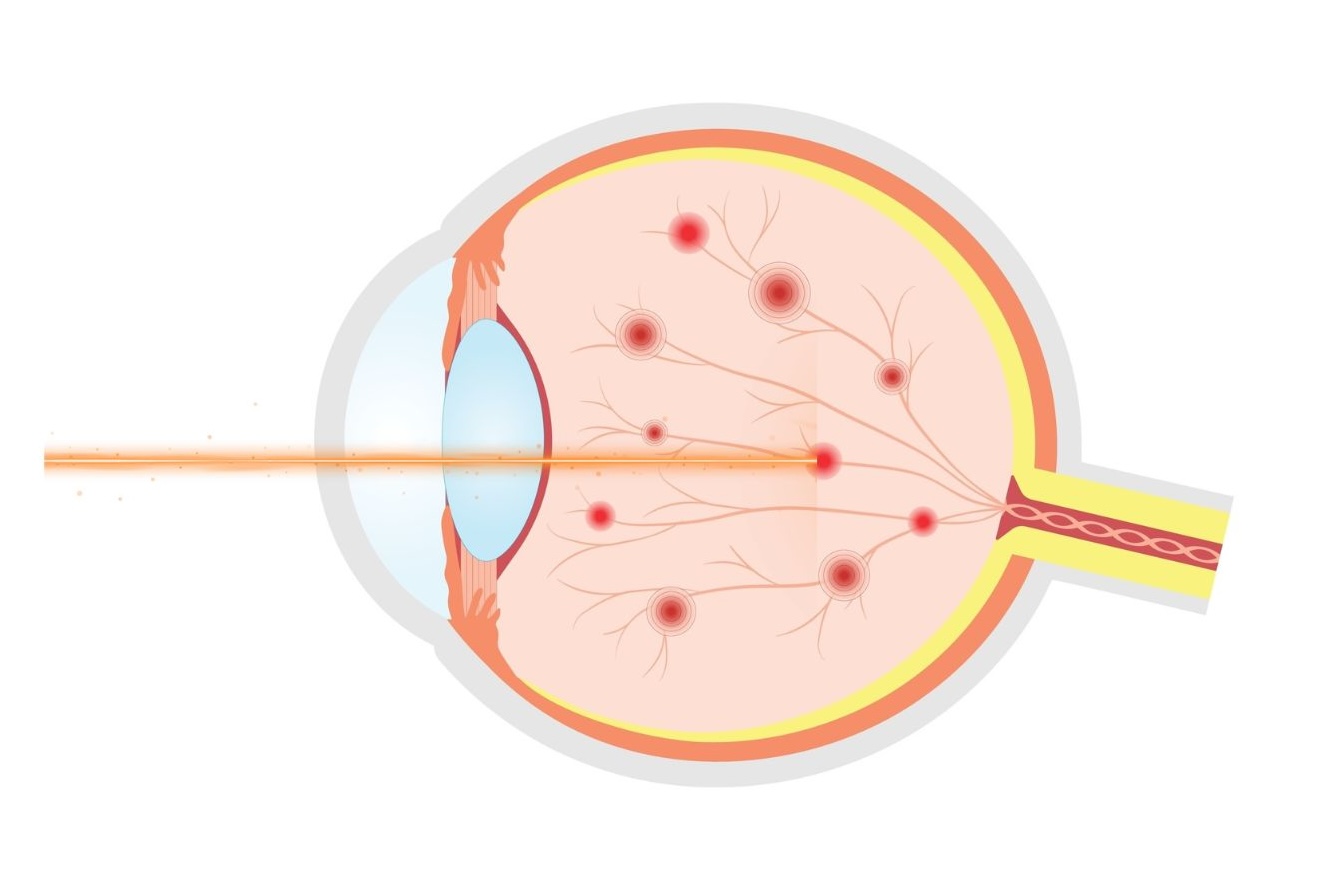
Laser Treatment
Laser therapy is used to seal leaking blood vessels at the macula, and to reduce abnormal vessel growth overall, helping to stabilise the retina and reduce the risk of vision loss.
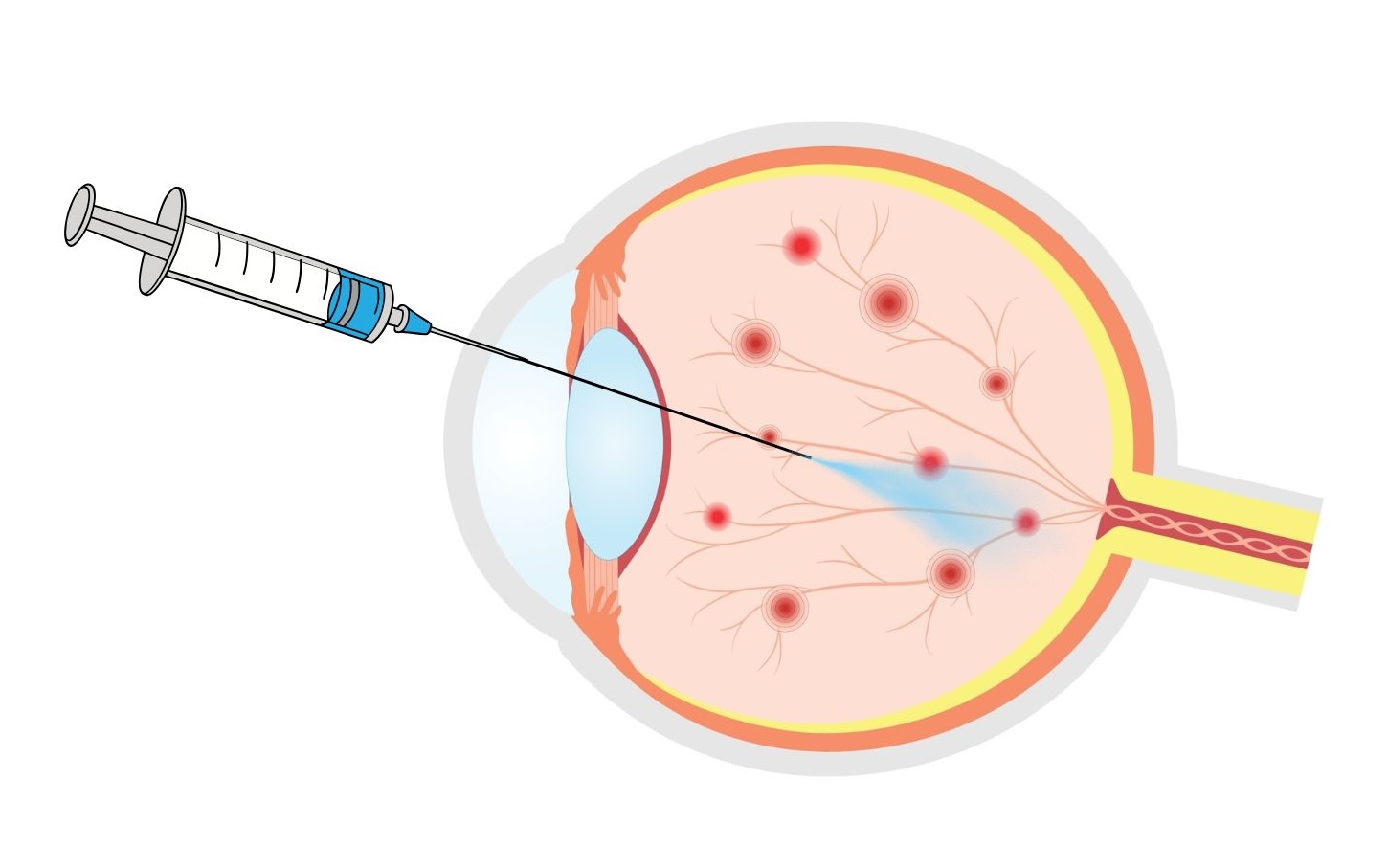
Intravitreal Injections
Targeted eye injections of anti-VEGF agents or steroid implants are used to reduce retinal swelling and control abnormal blood vessel growth in cases of diabetic macular edema or proliferative diabetic retinopathy. A range of current anti-VEGF agents is available, including longer-acting formulations that reduce the frequency of injections.
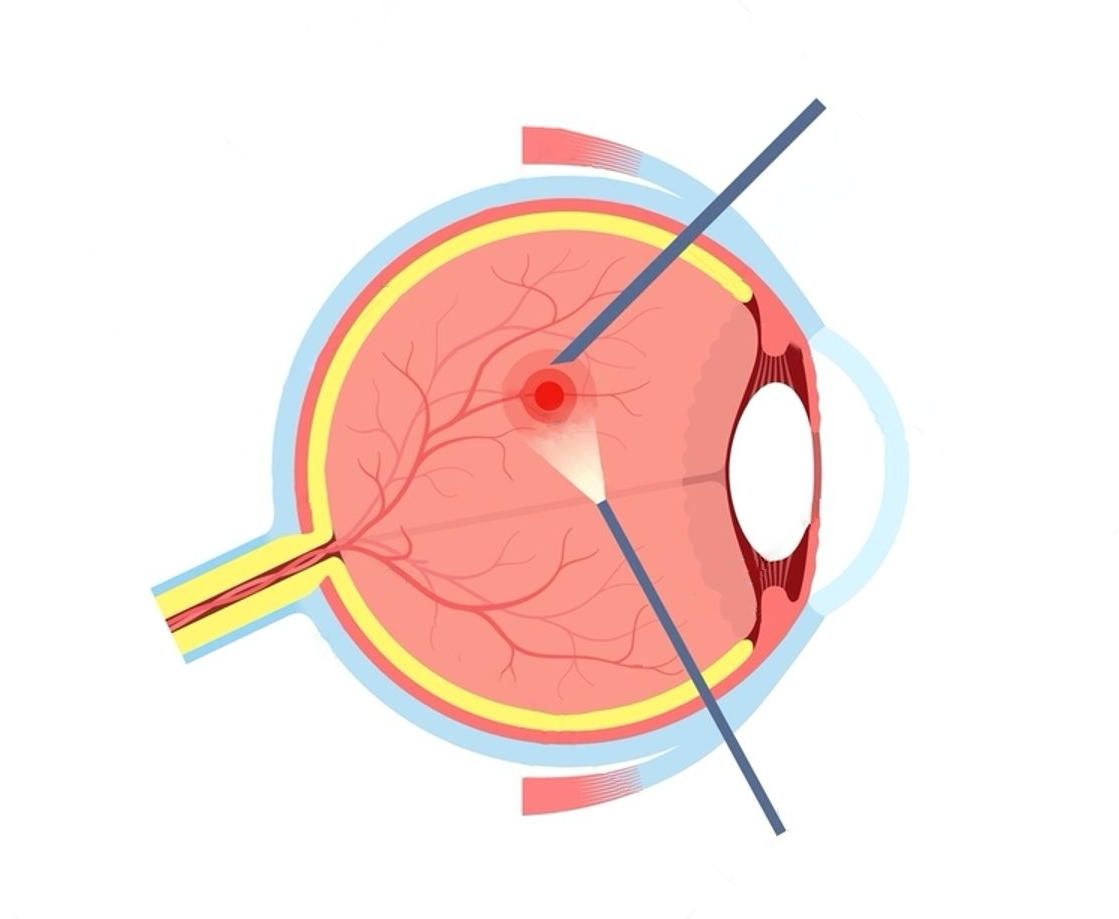
Vitrectomy Surgery
Surgical treatment is considered in advanced cases, such as vitreous haemorrhage, persistent bleeding, traction on the retina, or retinal detachment. Vitrectomy helps remove blood and scar tissue to restore retinal anatomy. Fine-gauge 25- and 27-gauge vitrectomy systems are used to enhance surgical precision and allow minimally invasive, sutureless techniques where appropriate.
Individualised Long-Term Care
Diabetic retinopathy often requires ongoing follow-up. Treatment plans are regularly reviewed and adjusted to maintain retinal stability and protect vision over time.
Secondary Lens Implant Surgery
When you have had cataract surgery or another lens implant procedure and develop a lens-related complication that affects the vitreous or retina, specialised vitreoretinal surgery is required to manage the condition safely.
- Removal of a dislocated or unstable lens implant from the vitreous cavity
- Replacement with a scleral-fixated or iris-fixated lens implant, selected based on eye anatomy and support structures
- Vitrectomy performed concurrently, when required, to manage vitreous involvement and protect the retina
Medical Director & Senior Consultant Ophthalmologist
ASCEND EYE CLINIC
About Dr Errol Chan
About Dr Errol Chan
Dr Errol Chan is the Medical Director and Senior Consultant Ophthalmologist at Ascend Eye Clinic Singapore, with over 18 years of clinical and surgical experience and more than 10,000 eye procedures performed.
Dr Chan is triple fellowship-trained in retinal diseases, having completed three competitive international fellowships — a Vitreoretinal Surgery Fellowship at McGill University, Canada, and both the Advanced Vitreoretinal Surgery and Medical Retina & Uveitis Fellowships at Moorfields Eye Hospital, London, UK. This specialised training underpins his management of a broad spectrum of diabetic eye disease, from early diabetic retinopathy to advanced cases requiring surgical intervention.
Dr Chan has particular expertise in retinal laser treatment, intravitreal injections, and vitrectomy surgery for diabetic retinopathy, with a focus on preserving vision and reducing long-term complications. His approach emphasises careful assessment, timely intervention, and coordinated care.
Known for his detailed and patient-focused consultations, Dr Chan ensures that each patient understands their condition, treatment options, and follow-up plan. He is fluent in English, Bahasa Indonesia, Mandarin, Cantonese, and Hokkien, supporting international patients throughout their care journey.
Degrees, Accreditations & Qualifications
Professional Achievements
- Authored more than 40 articles in leading Ophthalmology journal publications and textbook chapters in areas of glaucoma, cataract surgery, myopia, vitreoretinal diseases and surgery
- Multiple international awards from the World Glaucoma Association, Retina Foundation of Canada, and the Asia-Pacific Vitreoretinal Society
- Speaker at international conferences in cataract surgery and retinal diseases and surgery
- Lecturer at regional and international teaching courses in eye surgery
- Investigator in international clinical trials developing novel treatments for eye diseases
Previous Appointments
- Consultant Ophthalmologist, National Health Service, UK
- Visiting Consultant Ophthalmologist, National University Hospital Singapore
- Clinical Lecturer, Yong Loo Lin School of Medicine, National University Hospital Singapore
- Adjunct Research Fellow, Singapore Eye Research Institute
Why Choose Ascend Eye Clinic in Singapore?
Expertise in diabetic eye disease management
Diabetic retinopathy requires careful assessment, timely treatment, and long-term monitoring. Dr Errol Chan’s clinical expertise lies in diabetes and retinal diseases, having undergone international fellowship training in Canada and the UK. He adopts a structured and methodical approach to managing diabetic eye conditions at every stage, and is often consulted for second opinions in complex retinal cases.
Experience managing complex and advanced cases
As both a medical and surgical retinal specialist, Dr Chan manages a broad spectrum of retinal conditions, from early disease to advanced and vision-threatening cases. His experience in cataract and glaucoma surgery also allows coordinated and carefully planned care for patients with diabetic retinopathy who have co-existing eye conditions.
Modern retinal imaging and treatment technology
Comprehensive diagnostic tools and retinal imaging support accurate diagnosis, treatment planning, and close monitoring of disease progression.
Personalised and coordinated care
Every patient’s diabetic control, retinal findings, and visual needs are different. Treatment plans are tailored to achieve the best possible outcomes while prioritising safety.
Clear communication and continuity of care
Diabetic retinopathy often requires ongoing follow-up. Patients receive clear explanations and consistent care throughout their treatment journey.
Cataract Surgery Cost
The cost of cataract surgery depends on the type of procedure, lens implant, hospital facility and type of anaesthesia.
We will provide a clear cost estimate before treatment.
If you would like to know the estimated cost for your situation, please contact us directly. Our team will review your case details and share a personalized cost range for consultation, tests, and surgery.
We readily assist with your Indonesian insurance paperwork to facilitate your surgery and care in Singapore.
Insurance Partners
We work with a range of international and regional insurance providers to support patients undergoing assessment and treatment for diabetic retinopathy in Singapore. Our team can assist with insurance-related queries and documentation as part of your care journey.
3 Steps to Start Your Journey

Chat with Us on WhatsApp

Chat with Us on WhatsApp

Schedule an Appointment in Singapore

Schedule Appointment in Singapore

Receive a Personalized Treatment

Receive a Personalized Treatment

3 Steps to Start Your Journey

Chat with Us on WhatsApp

Schedule Appointment in Singapore

Receive a Personalized Treatment
Frequently Asked Questions (FAQs)
How often should people with diabetes have their eyes checked?
People with diabetes should have a comprehensive dilated eye examination at least once a year. If you have never had your eyes checked since your diagnosis, or if your last examination was more than a year ago, you should arrange an assessment.
Diabetic eye screening must be performed by an ophthalmologist with pupil dilation to allow proper evaluation of the retina. Optical shop screenings or routine health check photographs may not provide sufficient detail to assess diabetic retinopathy accurately. Follow-up frequency thereafter depends on your retinal findings.
If my blood sugar is now well controlled, can diabetic retinopathy improve?
Good blood sugar control helps slow disease progression and reduces the risk of worsening. However, existing retinal damage from diabetic retinopathy can still persist, and requires monitoring or treatment.
Can diabetic retinopathy affect my vision even if my eyesight feels normal?
Yes. Diabetic retinopathy can cause retinal changes before noticeable vision problems occur. This is why regular eye screening is important, even if your vision seems fine. Such mild initial changes can develop into advanced disease insidiously, culminating in dramatic symptoms all of a sudden (i.e. bleed into the vitreous gel in proliferative diabetic retinopathy).
Do eye injections or laser treatments hurt?
These procedures are performed using local anaesthesia and are well-tolerated. We adopt a no-pain technique, where almost all patients experience minimal discomfort during and after treatment.
How long should I plan to stay in Singapore for diabetic retinopathy treatment?
The length of stay depends on your diagnosis and treatment plan. Some patients complete assessment and treatment within 1–2 days, while others require 5–7 days or longer to allow for surgery and follow-up reviews before returning home. Please contact us with your condition details, and our team will advise the most suitable schedule and what to prepare before your visit.
Start Your Diabetic Retinopathy Care Journey in Singapore
Our dedicated team is here to support you from your initial consultation through treatment and follow-up care. Share your details below, and we will contact you to assist with appointment scheduling, treatment planning, and information about going to Singapore, in Bahasa Indonesia.