

RESTORE CLEAR VISION WITH
CATARACT SURGERY IN SINGAPORE
18+ years experience
10,000+ eye surgeries
Premium Lens Implant &
Complex Cataract Surgery
AcCredited in Singapore,
UK and Canada
Restore Clear Vision with Cataract Surgery in Singapore
18+ years experience
10,000+ eye surgeries
Premium Lens Implant & Complex Cataract Surgery
Accredited In SIngapore, UK and Canada
What is a Cataract?
A cataract is the clouding of the eye’s natural lens. It develops gradually with increasing age as lens proteins change and lose transparency, making vision appear blurry, colours to look dull, and lights to seem more glaring at night.
While aging is the most common cause, cataracts can also develop earlier due to prolonged sun exposure, diabetes, previous eye surgery or eye injury, medications like steroids.
Symptoms of Cataract
Cataracts develop gradually, and early symptoms may be subtle. Some of them are:
- Blurry or cloudy vision
- Sensitivity to light or glare
- Colors looking faded or dull
- Frequent changes in glasses prescription
- Difficulty reading
- Difficulty driving, especially at night
If you have any of these symptoms, consult us to discuss suitable treatment options.
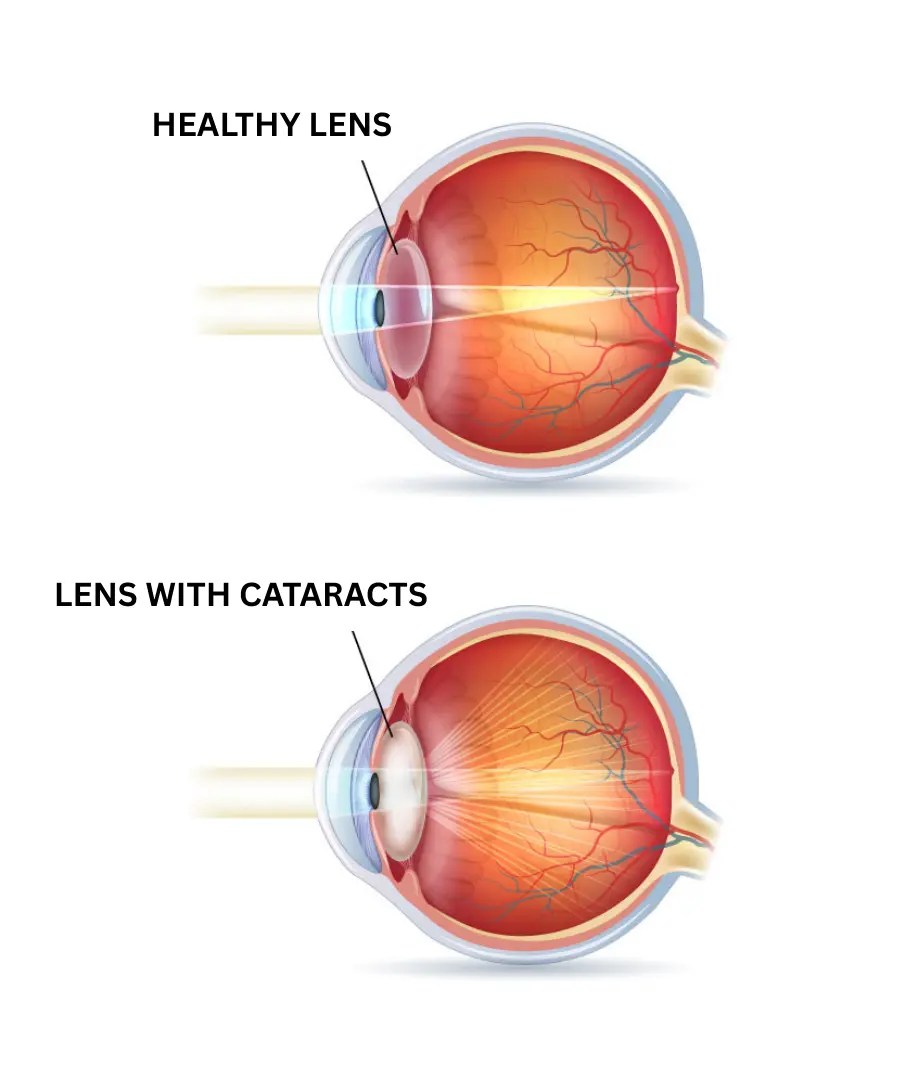
How Cataracts Affect Your Lens
In an eye with no cataract, light rays pass easily through the clear crystalline lens and come to a single focus point on the retina, giving a clear image. In an eye with a cataract, the light rays are obstructed from easy passage through the cloudy crystalline lens, getting dispersed or reflected, giving rise to a wide area of focus on the retina, thus causing a blurry image.
How is Your Vision Affected with Cataract?
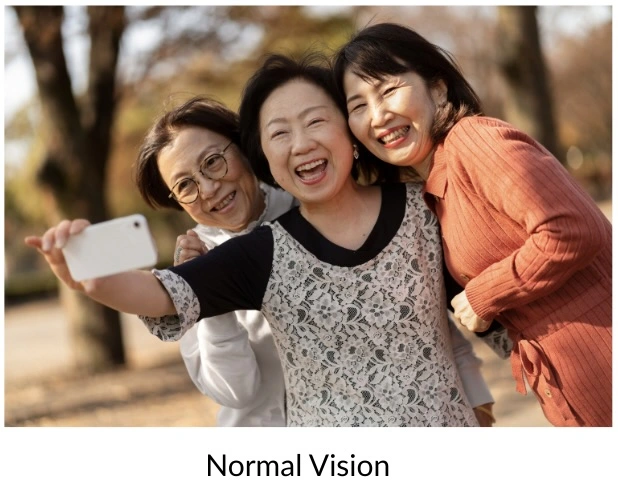
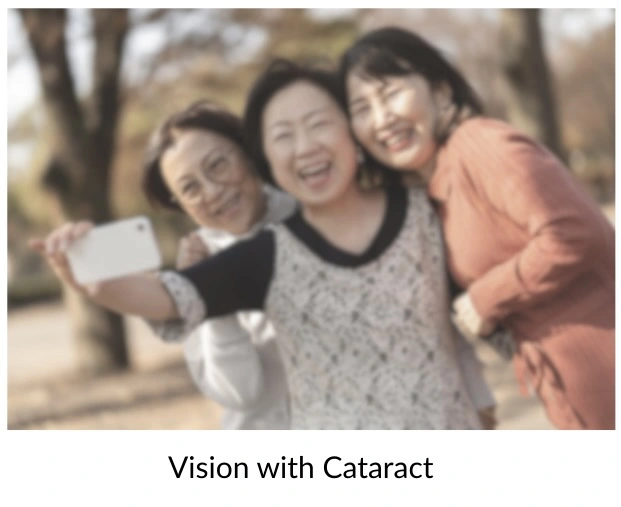
How Cataract is Diagnosed
A detailed eye examination is needed to determine whether cataracts, or another condition like glaucoma or retinal disease, are causing vision changes. At Ascend Eye Clinic Singapore, diagnosis includes:
• Slit-lamp examination to assess the clarity and type of cataract.
• Vision and glare testing to measure how daily sight is affected.
• Dilated retinal check to rule out hidden problems behind the cataract.
• Biometry and corneal scans to select the most suitable lens for surgery.
Many of these advanced tools are available only in specialised eye centres, enabling precise planning and personalised lens selection for clearer, more dependable results.

Cataract Surgery
Cataract surgery is the standard medical treatment for restoring visual clarity. With precise surgical planning, an individualised approach to every patient and leveraging on technology, patients can expect to achieve lasting visual clarity.
Cataract surgery involves removing the cataract and replacement of the natural lens with a clear artificial intraocular lens implant. Cataract surgery is customised so that the lens implant is chosen to suit your eyes, lifestyle, preferences with spectacle usage, and goals.
For patients with conditions like glaucoma, diabetes, other eye problems, or have had LASIK before, cataract surgery can certainly be performed successfully and safely to provide you with optimal visual outcomes.
Senior Consultant Ophthalmologist
ASCEND EYE CLINIC, SINGAPORE
Medical Director & Senior Consultant Ophthalmologist
ASCEND EYE CLINIC, SINGAPORE
Types of Cataract Surgery
At Ascend Eye Clinic in Singapore, cataract surgery may be performed using either a conventional technique or a laser-assisted (bladeless) approach. Dr Errol Chan will assess your eye condition and discuss which cataract surgery treatment method is suitable for your eye condition and vision goals. Both procedures can be paired with different intraocular lens options to improve vision as well as to reduce and minimize your dependences on glasses.
Standard Cataract Surgery
During surgery, the lens capsule is first opened. Ultrasound energy is then delivered via a hand-held phacoemulsification probe to break up the cloudy lens, which is subsequently removed with suction through the device. A clear intraocular lens implant is then placed into the lens capsule, so that clarity of vision can be restored. This is an established and effective technique.

Bladeless (Laser-Assisted) Cataract Surgery
Bladeless cataract surgery uses femtosecond laser technology to perform 3 surgical steps in the cataract surgery procedure. These steps use computer-guided precision to create entry sites in the eye for instrument passage, open the lens capsule, and break up the cloudy lens. This technique has several benefits:
- Better safety for complex cataracts
- Greater precision with lens implant alignment, favoring more consistent outcomes
- Smoother & faster recovery

Cataract Premium Lens Choices
Choosing the right lens implant is key to achieving your best possible vision after cataract surgery, especially for patients desiring independence from glasses. At Ascend Eye Clinic in Singapore, the entire range of lens options are available, designed to match your eye condition, visual needs, lifestyle, and preferences.
Monofocal Plus Lens
This lens implant is an enhanced version of the standard monofocal IOL. Compared to a monofocal lens implant, a monofocal plus lens provides clear vision over a slight range around that specific distance. It can be used in a monovision strategy, with one eye targeted for distance, and the other eye for near, to minimize glasses use.
Multifocal Lens
Multifocal lenses are based on advanced lens optical technology. This involves the use of multiple focal points in the lens implant, allowing the eyes to focus at near, intermediate, and far distances without glasses. These lenses provide the broadest range of spectacle-free vision. These lenses are chosen for patients who prefer maximal freedom for reading, using digital devices, and active lifestyles. Some patients may notice mild glare or halos around lights at night, but will adapt well to these over time.
Extended Depth of Focus (EDOF) Lens
EDOF lenses use advanced wavefront-shaping technology to provide smooth, continuous vision from far to intermediate distance, with functional near vision. Compared to multifocal lenses, EDOF lenses have a slightly smaller range of spectacle-free vision, but produce fewer visual side effects such as glare or halos, whilst helping to reduce reliance on glasses for most daily activities. They are also suitable in patients who may not be eligible for multifocal implants due to their eye condition.
Toric Lens
Toric lenses correct astigmatism by compensating for the cornea’s irregular curve (i.e. astigmatism). Most eyes require astigmatic correction in order to see well without the need for spectacles. All lens implant types, including multifocal, EDOF, monofocal plus, and monofocal lenses have toric versions for patients who so require them.
Cataract and Lens Implant Procedures
Cataracts can occur on their own, or alongside other eye conditions. At Ascend Eye Clinic, Dr Errol Chan provides comprehensive surgical care for a wide range of cataract and lens implant conditions.
Standard Cataract Surgery
Removes the clouded natural lens and replaces it with a clear intraocular lens (IOL) using a small-incision ultrasound technique.
Presbyopia and Astigmatism-Correcting Lens Implants
Premium lenses (Multifocal, EDoF, Toric) can reduce dependence on glasses by correcting presbyopia, astigmatism, or both.
Bladeless Cataract Surgery
Femtosecond laser-assisted cataract surgery (FLACS) uses a precise laser for key steps in cataract surgery, enhancing accuracy and supporting a smoother recovery.
Complex and High-Risk Cataract Surgery
For advanced cataracts or those occurring with other eye or medical conditions, including previous eye surgeries.
Secondary Lens Implant Surgery
Replaces or repositions a dislocated lens after previous cataract surgery using iris- or scleral-fixated implants to restore vision.
Supplementary Lens Implant Surgery
Adds an additional lens implant to fine-tune focus or improve near vision after earlier cataract surgery.
YAG Capsulotomy
A quick procedure to restore vision clarity by treating clouding that can occur on the lens implants years after cataract surgery.
Cataract Surgery Combined with Glaucoma Surgery
Manages both cataracts and glaucoma together using MIGS, trabeculectomy, or drainage implants to lower eye pressure and reduce dependence on medications.
Cataract Surgery Combined with Retinal Surgery
Treats cataracts alongside retinal issues such as macular holes or epiretinal membranes in a single combined procedure.
Standard Cataract Surgery
Removes the clouded natural lens and replaces it with a clear intraocular lens implant using a small-incision ultrasound technique.
YAG Capsulotomy
A quick procedure to restore vision clarity by treating clouding that can occur in the capsule containing the lens implant years after cataract surgery.
Bladeless Cataract Surgery
Femtosecond laser-assisted cataract surgery uses a precise femtosecond laser for key steps in cataract surgery, enhancing accuracy and supporting a smoother recovery, particularly for more advanced cataracts.
Complex and High-Risk Cataract Surgery
For advanced or shaky cataracts, or those occurring with other eye conditions, or arising from previous eye surgeries.
Secondary Lens Implant Surgery
Replaces or repositions a dislocated lens after previous cataract surgery using iris- or scleral-fixated implants to restore vision.
Supplementary Lens Implant Surgery
Adds an additional lens implant to correct for astigmatism or improve near vision without glasses, after earlier cataract surgery.
Presbyopia and Astigmatism-Correcting Lens Implants
Premium lenses (Monofocal plus, Multifocal, EDOF, Toric) to reduce dependence on glasses by correcting presbyopia, astigmatism, or both.
Cataract Surgery Combined with Glaucoma Surgery
Cataracts and glaucoma can be safely co-managed in the same surgical procedure. Glaucoma surgery such as minimally-invasive glaucoma surgery (MIGS), trabeculectomy, or drainage implants are effective in lowering eye pressure and reducing dependence on glaucoma medications.
Cataract Surgery Combined with Retinal Surgery
Cataracts can be treated together with retinal issues such as macular holes or epiretinal membranes, in a single combined procedure.
Medical Director & Senior Consultant Ophthalmologist
ASCEND EYE CLINIC
About Dr Errol Chan
About Dr Errol Chan
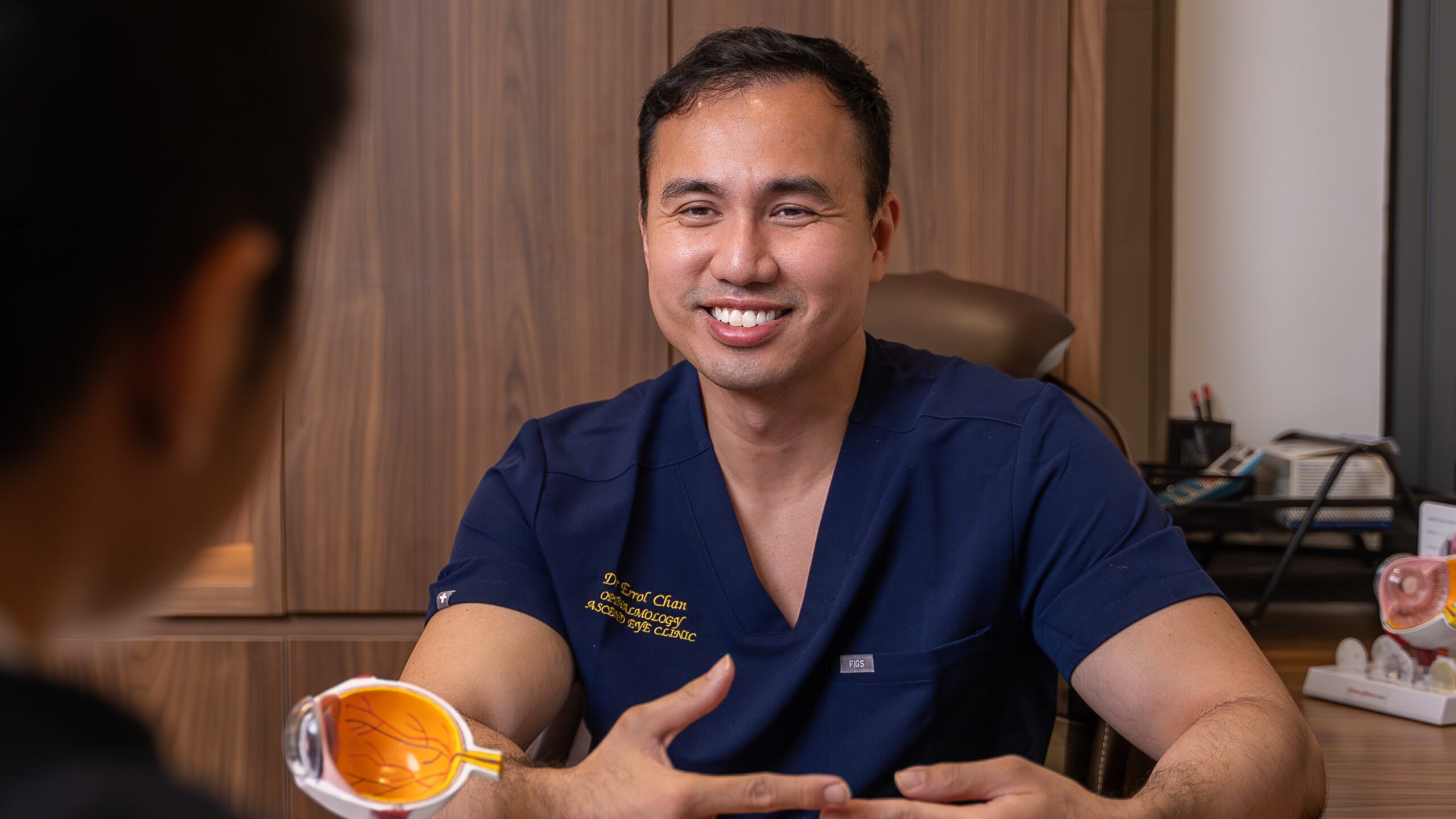
Dr Errol Chan is a Senior Consultant Ophthalmologist and Medical Director of Ascend Eye Clinic in Singapore. With over 18 years of clinical and surgical experience and having performed more than 10,000 eye procedures, he provides dedicated care for a broad range of eye conditions including cataracts, glaucoma, retinal and corneal diseases, eyelid disorders, as well as children’s eye diseases. He is also specialized in refractive surgery, including procedures like SMILE, LASIK and transPRK, as well as ICL.
Known for his meticulous approach, Dr Chan combines advanced technology with thoughtful clinical planning to achieve safe, reliable outcomes, particularly for patients seeking treatment in Singapore from abroad.
For Indonesian patients, Dr Chan’s office offers local support in Bahasa Indonesia, assisting with questions, scheduling consultations, and coordinating travel to Singapore for treatment.
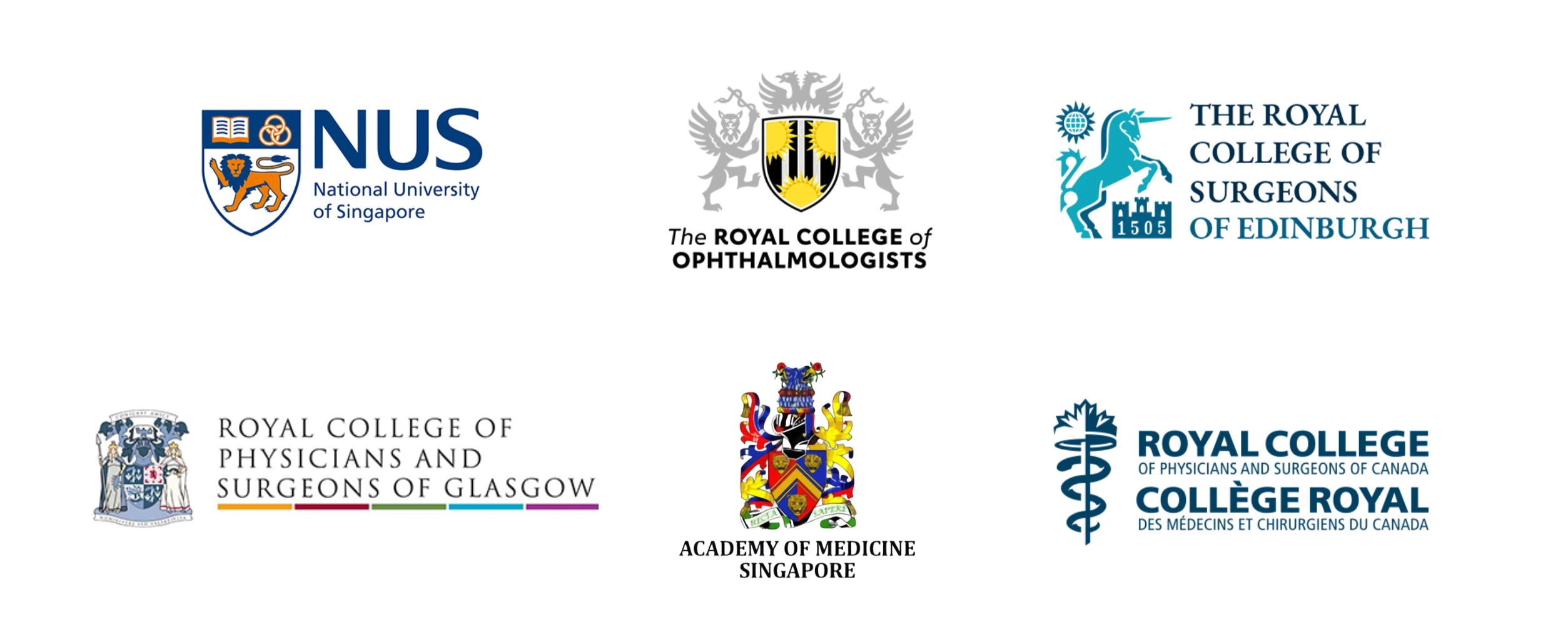
Degrees, Accreditations & Qualifications
Professional Achievements
- Authored more than 40 articles in leading Ophthalmology journal publications and textbook chapters in areas of glaucoma, cataract surgery, myopia, vitreoretinal diseases and surgery
- Multiple international awards from the World Glaucoma Association, Retina Foundation of Canada, and the Asia-Pacific Vitreoretinal Society
- Speaker at international conferences in cataract surgery and retinal diseases and surgery
- Lecturer at regional and international teaching courses in eye surgery
- Investigator in international clinical trials developing novel treatments for eye diseases
Previous Appointments
- Consultant Ophthalmologist, National Health Service, UK
- Visiting Consultant Ophthalmologist, National University Hospital Singapore
- Clinical Lecturer, Yong Loo Lin School of Medicine, National University Hospital Singapore
- Adjunct Research Fellow, Singapore Eye Research Institute
Why Choose Ascend Eye Clinic in Singapore?
Clinical Excellence, Precision & Accuracy
Having excellent vision after cataract surgery requires accurate and meticulous pre-operative assessments, clinical expertise, and advanced imaging & surgical technology to provide optimal vision outcomes.
Management of Other Eye Conditions to Optimize Your Vision from Cataract Surgery
Patients with diabetic eye disease, glaucoma, dry eye, and post-LASIK patients require special care. We stabilize and manage these conditions before, during and after cataract surgery.
Premium Lens Implants to Treat Presbyopia
Few eye clinics offer and have strong expertise in premium lens implants. These implants give good vision without distance or reading glasses, allowing freedom to enjoy your work & lifestyle activities without glasses.
Clinical Expertise & High-Volume Cataract Surgery Practice
Dr Errol Chan performs cataract surgery and is trusted by many Indonesian patients seeking premium lens implant & cataract surgery in Singapore.
Customized Care for Every Patient
Every patient’s eyes, needs, and daily activities are different. We customize your surgery plan to fit your lifestyle and vision goals, helping you see clearly with less reliance on glasses.
Cataract Surgery Cost
The cost of cataract surgery depends on the type of procedure, lens implant, hospital facility and type of anaesthesia.
We will provide a clear cost estimate before treatment.
If you would like to know the estimated cost for your situation, please contact us directly. Our team will review your case details and share a personalized cost range for consultation, tests, and surgery.
We readily assist with your Indonesian insurance paperwork to facilitate your surgery and care in Singapore.
Insurance Partners
We work with a range of international and regional insurance providers to support patients undergoing assessment and treatment for cataract surgery in Singapore. Our team can assist with insurance-related queries and documentation as part of your care journey.

3 Steps to Start Your Journey

Contact Us on WhatsApp
Contact Us on WhatsApp
Schedule an Appointment in Singapore
Schedule an Appointment in Singapore

Receive a Personalized Treatment
Receive Personalized Treatment
Frequently Asked Questions (FAQs)

Frequently Asked Questions (FAQs)
Is cataract surgery painful ?
The procedure is painless and you will be comfortable during the procedure. Numbing eye drops are used and you will also be sedated, meaning that you will not be aware of the light or noise around you during the procedure. Most patients do not recall having had the cataract surgery procedure
How do i make an appointment ?
Just message us on WhatsApp or leave your contact details below. We will assist you with arranging an appointment in Singapore at your preferred timing and address your questions on cost, recovery and travel arrangements.
How long should i stay in Singapore for the surgery ?
Cataract surgery is a day procedure, so hospital stay is not usually required. However, most patients are advised to remain in Singapore for a few days after surgery for follow-up checks. For cataract surgery for 2 eyes, an estimated length of stay in Singapore would be about 4-5 days, inclusive of surgery and pre- and post-operative review appointments.
How would i know which lens implant is right for me ?
After a detailed eye examination and keenly understanding your visual needs and preferences, Dr Errol Chan will discuss your lens implant options and recommend the lens implant option(s) that are most suitable for you to achieve good quality vision and to enjoy your lifestyle activities.
Is Bahasa Indonesia or other language support available ?
Yes. Our team provides communication and assistance in Bahasa, Hokkien or Mandarin Chinese throughout.
Start Your Cataract
Journey in Singapore
Our dedicated team is here to support you from your initial consultation through treatment and follow-up care. Share your details below, and we will contact you to assist with appointment scheduling, treatment planning, and travel arrangements, with support available in Bahasa Indonesia.