

GLAUCOMA TREATMENT IN SINGAPORE
18+ years of clinical
& surgical experience
Comprehensive Glaucoma
Management and Surgery
AcCredited in Singapore,
UK and Canada
DIABETIC RETINOPATHY
TREATMENT IN SINGAPORE
18+ years experience
10,000+ eye surgeries
Premium Lens Implant & Complex Cataract Surgery
Accredited In SIngapore, UK and Canada
Signs Your Eyes Need a Glaucoma Assessment
Glaucoma symptoms can differ depending on the glaucoma subtype. Most forms of glaucoma progress slowly with few early warning signs, while others can present suddenly.
Gradual Symptoms
These develop slowly over time and when these symptoms are present, the disease is advanced:
- Gradual loss of peripheral (side) vision
- Blind spots in the vision
- Tunnel vision
- Blurred vision
- Difficulty with vision in dim lighting
- Non-specific headache or eye pain
Sudden Symptoms (Acute Cases)
These can occur in acute angle-closure glaucoma and require urgent medical attention by an eye specialist:
- Eye pain or pressure
- Redness in the eye
- Headaches, nausea or vomiting
- Blurred vision
- Rainbow coloured halos around lights
- Flashing lights
If you notice any of the sudden symptoms above, seek prompt eye evaluation.
Senior Consultant Ophthalmologist
ASCEND EYE CLINIC, SINGAPORE
Medical Director & Senior Consultant Ophthalmologist
ASCEND EYE CLINIC, SINGAPORE
What is Glaucoma?
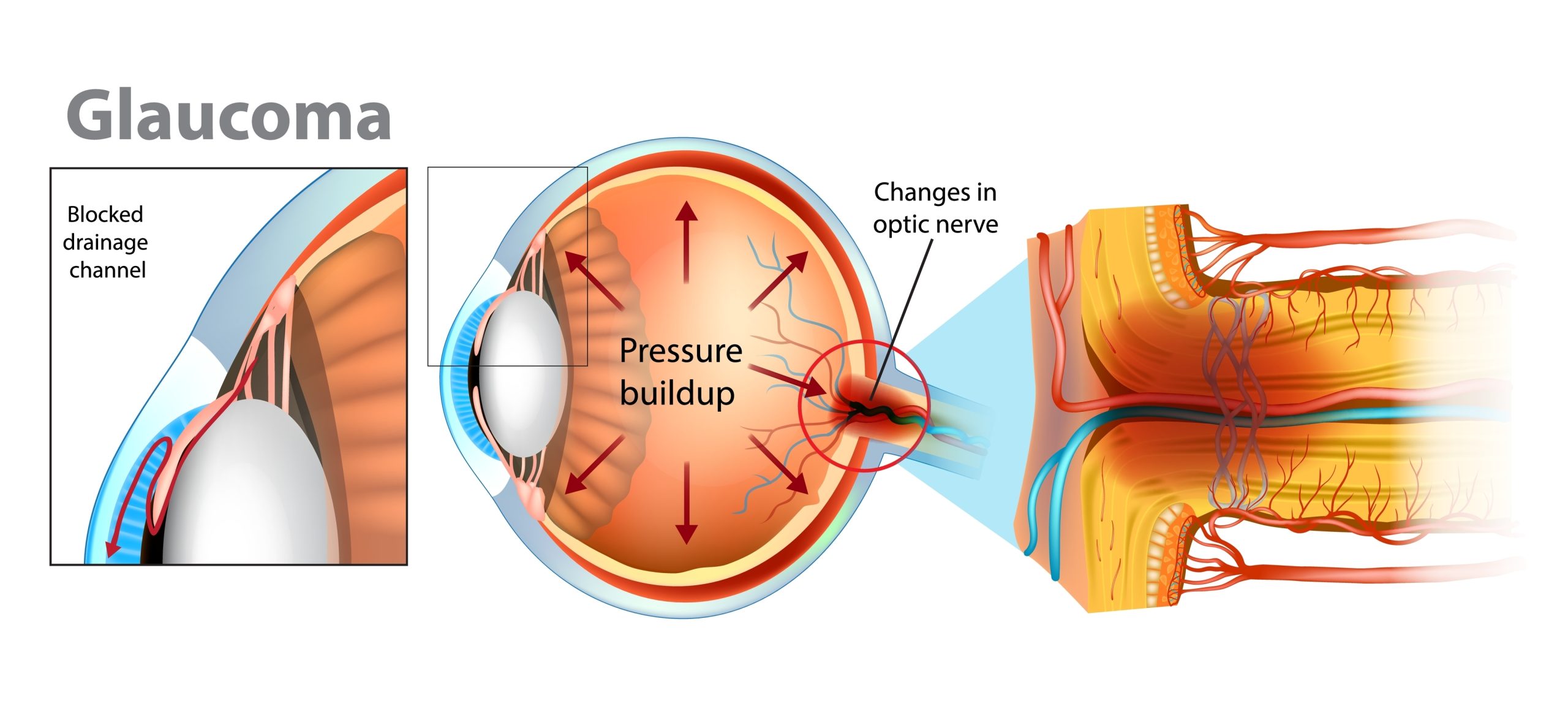
Glaucoma is a chronic eye condition that damages the optic nerve, most commonly due to elevated intraocular pressure. It can also occur even when eye pressure appears within the normal range.
Vision loss from glaucoma is gradual and irreversible. The condition typically affects peripheral (side) vision first, and many patients do not notice changes until significant damage has already occurred.
Because optic nerve damage cannot be reversed, early detection and long-term monitoring are essential.
Why Glaucoma is Often Missed?
Glaucoma progresses silently in its early stages. The brain compensates for peripheral vision loss, which means patients feel their vision is normal even as damage develops.
By the time central vision is affected, the disease is usually advanced. Regular eye examinations are therefore critical, especially for individuals over 40 or those with risk factors.
Who is at Risk for Glaucoma?
Glaucoma can affect anyone, but certain individuals have a higher risk of developing the condition. Regular eye examinations are especially important if you have one or more of the following risk factors:
- Age over 40, with risk increasing further after 60
- Family history of glaucoma, particularly in first-degree relatives
- Elevated intraocular pressure
- Diabetes, high blood pressure, or cardiovascular disease
- High myopia (severe short-sightedness)
- Long-term steroid use, including steroid eye drops
- Previous eye injury or surgery
How Glaucoma is Detected?
A proper glaucoma assessment goes beyond measuring eye pressure. It includes:
- Careful optic nerve examination
- Optical coherence tomography (OCT) imaging of the nerve fibre layer
- Visual field testing to assess peripheral vision
These tests allow early detection of structural and functional changes before noticeable vision loss occurs. Early diagnosis enables timely treatment to slow disease progression and protect long-term vision.
Ongoing monitoring is equally important. Serial imaging and functional testing enable careful tracking of disease progression and guide timely adjustment of treatment to preserve long-term vision.
Who is at Risk for Glaucoma?
Glaucoma can affect anyone, but certain individuals have a higher risk of developing the condition. Regular eye examinations are especially important if you have one or more of the following risk factors:
- Age over 40, with risk increasing further after 60
- Family history of glaucoma, particularly in first-degree relatives
- Elevated intraocular pressure
- Diabetes, high blood pressure, or cardiovascular disease
- High myopia (severe short-sightedness)
- Long-term steroid use, including steroid eye drops
- Previous eye injury or surgery
How Glaucoma is Detected?
A proper glaucoma assessment goes beyond measuring eye pressure. It includes:
- Careful optic nerve examination
- Optical coherence tomography (OCT) imaging of the nerve fibre layer
- Visual field testing to assess peripheral vision
These tests allow early detection of structural and functional changes before noticeable vision loss occurs. Early diagnosis enables timely treatment to slow disease progression and protect long-term vision.
Ongoing monitoring is equally important. Serial imaging and functional testing enable careful tracking of disease progression and guide timely adjustment of treatment to preserve long-term vision.
Common Types of Glaucoma
Glaucoma can present in different forms. Many patients are unaware they have glaucoma until changes are detected during an eye examination.
Primary Open Angle Glaucoma
The most common form of glaucoma, progressing slowly and often without symptoms. Many patients only discover it during routine eye checks.
Angle-Closure Glaucoma
There are 2 forms.
- Chronic form, which like primary open angle glaucoma, has minimal symptoms in its early stages
- Acute form, which presents as sudden eye pain, redness, blurred vision, nausea and headaches, requiring urgent medical attention.
Secondary Glaucoma
Develops as a result of other eye conditions, inflammation, injury, or previous eye surgery, requiring a multi-pronged treatment strategy.
Normal-Tension Glaucoma
Optic nerve damage occurs despite eye pressures within the normal range, making specialised assessment essential for diagnosis.
Congenital, Childhood & Juvenile Glaucoma
Although more common in adults, glaucoma can develop at birth, in childhood or in the teenage years. Except when very severe, there may not be any symptoms, making early detection and treatment are critical for preserving vision.
Early Detection of Diabetic Retinopathy
Diabetic retinopathy often develops silently, especially in the early stages. By the time vision is noticeably affected, retinal damage may already be permanent.
Regular eye examinations are essential for people with diabetes. Early detection through retinal imaging and detailed eye assessment allows treatment to be started at the right time, helping to reduce the risk of vision loss and long-term complications.
Even if your vision feels normal, routine screening plays a critical role in protecting your eyesight over time.
Signs That You Need an Eye & Retina Check
Changes in retinal health can affect vision subtly at first but may progress quickly. Seek an eye assessment if you notice any of the following symptoms:

Floaters & Flashes of Light
Sudden appearance of spots, lines, or flashes may indicate changes in the retina and should not be ignored.

Distorted or Wavy Vision
Straight lines appearing bent or distorted can be a sign of macular or retinal conditions affecting central vision.

Blurry Vision
Gradual or sudden blurring of vision may occur when the retina is unable to transmit clear visual signals.
Common Retinal Conditions
The retina is affected by a wide range of conditions, some developing gradually and others occurring suddenly.
At Ascend Eye Clinic, Dr Errol Chan manages both common and complex retinal problems, including:
Retinal
Detachment
Separation of the retina from the eye wall, requiring urgent treatment to prevent permanent vision loss.
Central Serous
Retinopathy
Fluid leakage under the retina that causes blurred or distorted central vision.
Epiretinal Membrane
(Macular Pucker)
A thin layer of scar tissue forming on the macula, leading to visual distortion, blind spots, and blurring.
Dislocated or
Subluxed Lens
Movement of the eye’s natural lens out from its normal position, affecting vision clarity and stability.
Diabetic Retinal
Disease
Retinal damage caused by diabetes, progresses silently without regular eye checks.
Age-Related Macular Degeneration
A retinal condition affecting central vision, commonly associated with aging.
Retinal Vein
Blockage
Blocked blood flow in retinal veins, leading to sudden or sub-acute vision loss.
Retinal Artery
Blockage
A serious retinal condition caused by interrupted blood supply to the retina, requiring urgent medical attention.
Macular
Hole
A break in the retina at the macula region, that causes central vision distortion or blurring.
Visual Floaters
and Spots
Uveitis and Eye
Inflammation
Inflammation inside the eye that affects the retina and threatening vision if untreated.
Genetic Eye
Conditions
Inherited retinal disorders that impact vision and require long-term monitoring.
Glaucoma Treatment Strategies
At Ascend Eye Clinic Singapore, glaucoma management incorporates current diagnostic imaging and a broad range of medical, laser, and surgical treatment options. Care is tailored to the type and stage of disease, with careful adjustment over time to achieve stable and sustainable eye pressure control. We offer a full range of established and contemporary glaucoma treatments, selecting the most appropriate approach to protect the optic nerve and preserve vision.
Laser Treatment
Laser procedures (Peripheral Iridotomy, Selective Laser Trabeculoplasty, Micropulse Laser, Diode Laser) are recommended when eye drops are insufficient or not well tolerated. Laser treatment helps improve fluid outflow or reduce fluid production, aiding long-term pressure control.
Medical Treatment (Eye Drops)
Eye drops are often the first line of treatment. They work by reducing fluid production in the eye or improving fluid drainage to lower eye pressure. We offer a broad range of glaucoma eye drops, including novel and combination eye drops.
Lens Removal Surgery
In selected patients with angle-closure glaucoma, removal of the natural lens with intraocular lens implantation can help widen the drainage angle and lower intraocular pressure. This approach reduces disease progression and, in some cases, decrease the need for long-term medication.
Glaucoma Surgery
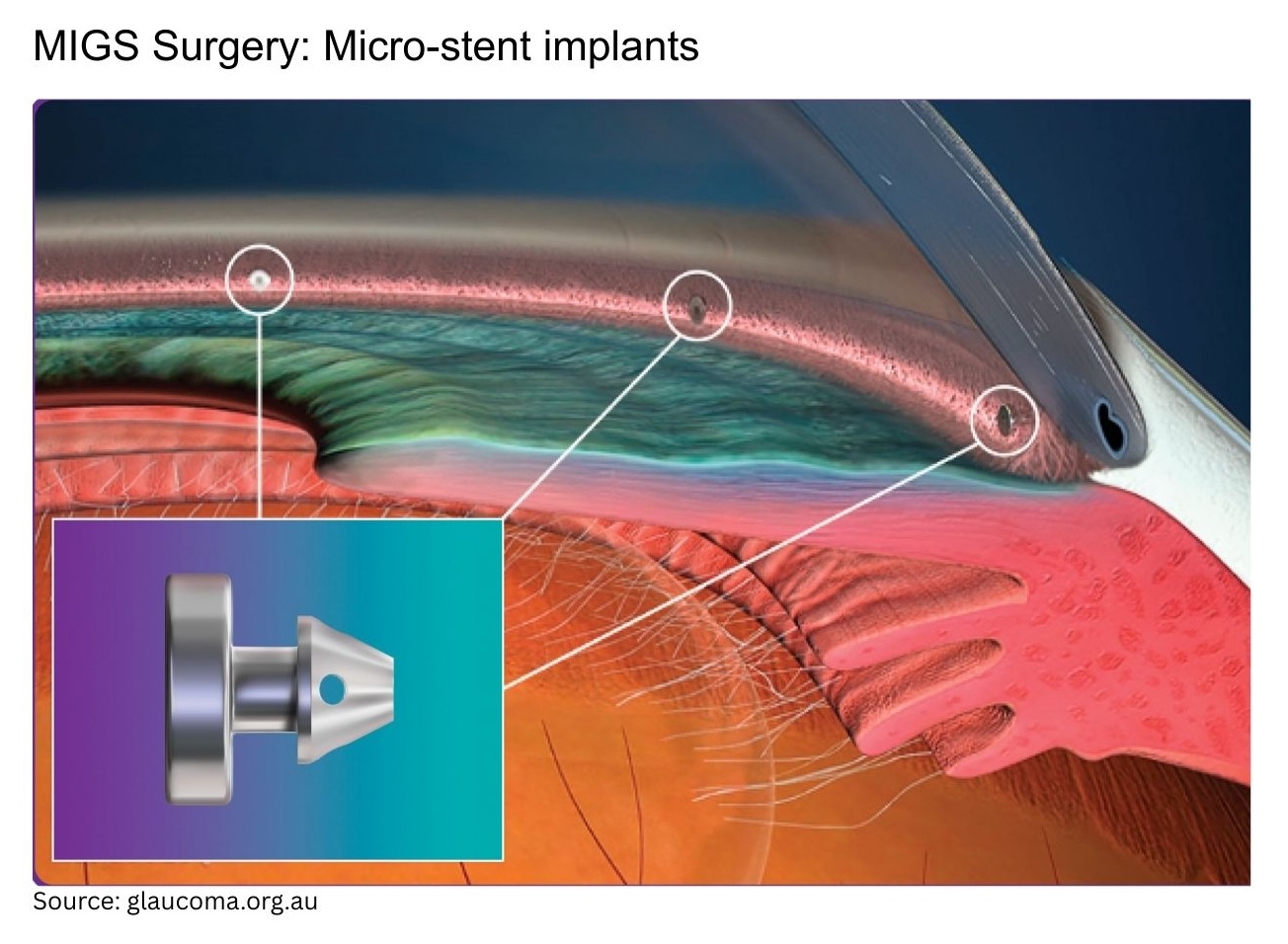
Surgery is considered when glaucoma progresses despite medical or laser therapy. Options include conventional procedures or minimally invasive techniques, such as micro-stent implants placed within the eye’s natural drainage pathway, depending on disease stage and suitability.
Glaucoma management is not one-size-fits-all. Treatment plans are carefully tailored, with ongoing monitoring and adjustments to maintain stable eye pressure and protect vision over the long term.
Reducing Dependence on Long-Term Eye Drops
Many patients with glaucoma rely on multiple eye drops over many years. While medications remain an important part of treatment, some patients experience side effects, difficulty with adherence, or ongoing disease progression despite therapy. For selected individuals, alternative strategies can be considered to reduce medication burden while maintaining safe intraocular pressure control.
Minimally Invasive Glaucoma Surgery (MIGS)
Minimally invasive glaucoma procedures use small internal implants or micro-incisional techniques to enhance the eye’s natural fluid drainage. These procedures are typically associated with shorter recovery times and can be performed alone or in combination with cataract surgery.
MIGS is suitable for patients with mild to moderate glaucoma who wish to reduce dependence on long-term eye drops, subject to careful clinical assessment.
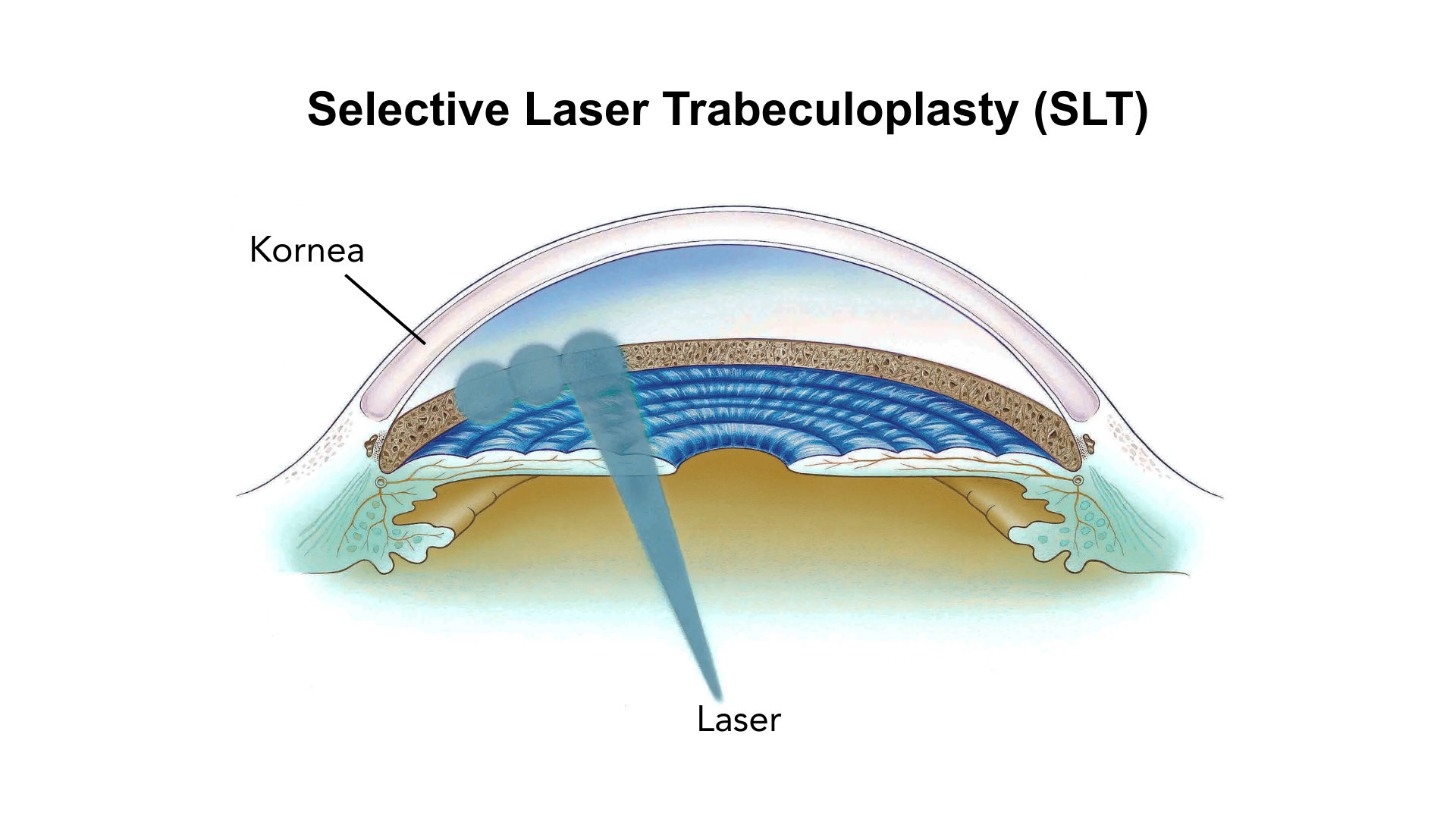
Selective Laser Trabeculoplasty (SLT)
Selective Laser Trabeculoplasty is a laser treatment that improves fluid outflow through the natural drainage pathway. It can be used as a primary treatment in some patients or as an adjunct to reduce reliance on medications.
Not all patients are suitable candidates for medication-reduction strategies. A detailed glaucoma assessment is necessary to determine the safest and most appropriate approach.
Medical Director & Senior Consultant Ophthalmologist
ASCEND EYE CLINIC
About Dr Errol Chan
About Dr Errol Chan
Dr Errol Chan is the Medical Director and Senior Consultant Ophthalmologist at Ascend Eye Clinic Singapore, with over 18 years of clinical and surgical experience and more than 10,000 eye procedures performed.
He graduated with MBBS from the National University of Singapore and completed his Ophthalmology specialist training at the National University Hospital, Singapore. He holds Fellowship accreditation from the Academy of Medicine Singapore as well as the Royal Colleges of Surgeons in the United Kingdom and Canada. This international accreditation reflects broad specialist training and clinical exposure across different healthcare systems. His work includes the diagnosis and management of a wide spectrum of glaucoma conditions, ranging from early-stage disease to complex cases requiring surgical intervention.
Prior to private practice, Dr Chan served as a Consultant Ophthalmologist within the National Health Service (NHS), United Kingdom. He has also held academic appointments as a Clinical Lecturer at the Yong Loo Lin School of Medicine, National University of Singapore, and as an Adjunct Research Fellow at the Singapore Eye Research Institute.
Dr Chan has particular experience in glaucoma assessment, medical therapy, laser procedures, and surgical management, with a focus on careful disease monitoring and long-term vision preservation. His approach emphasises precision, safety, and clear clinical decision-making.
Known for his detailed and patient-focused consultations, Dr Chan ensures that each patient understands their condition, treatment options, and follow-up plan. He is fluent in English, Bahasa Indonesia, Mandarin, Cantonese, and Hokkien, supporting international patients throughout their care journey.
Degrees, Accreditations & Qualifications
Professional Achievements
- Authored more than 40 articles in leading Ophthalmology journal publications and textbook chapters in areas of glaucoma, cataract surgery, myopia, vitreoretinal diseases and surgery
- Multiple international awards from the World Glaucoma Association, Retina Foundation of Canada, and the Asia-Pacific Vitreoretinal Society
- Speaker at international conferences in cataract surgery and retinal diseases and surgery
- Lecturer at regional and international teaching courses in eye surgery
- Investigator in international clinical trials developing novel treatments for eye diseases
Previous Appointments
- Consultant Ophthalmologist, National Health Service, UK
- Visiting Consultant Ophthalmologist, National University Hospital Singapore
- Clinical Lecturer, Yong Loo Lin School of Medicine, National University Hospital Singapore
- Adjunct Research Fellow, Singapore Eye Research Institute
Why Choose Ascend Eye Clinic in Singapore?
Expertise in glaucoma diagnosis and long-term management
Effective glaucoma care requires accurate diagnosis, careful monitoring, and appropriate treatment planning over time. Dr Errol Chan adopts a meticulous approach to manage glaucoma at every stage, including medical therapy, laser treatment, and minimally invasive glaucoma surgery where appropriate.
Experience managing complex and high-risk cases
Glaucoma may coexist with cataract, retinal disease, diabetes, or previous eye surgery. These factors are carefully considered to ensure safe and effective management.
Advanced diagnostic and treatment technology
Comprehensive eye imaging and glaucoma assessment tools support precise evaluation of eye pressure, optic nerve health, and disease progression.
Personalised treatment approach
Every patient’s glaucoma is different. Treatment plans are tailored based on disease severity, eye anatomy, lifestyle, and long-term vision goals.
Clear communication and continuity of care
Glaucoma requires ongoing follow-up. Patients receive clear explanations and consistent care throughout their treatment journey.
Cataract Surgery Cost
The cost of cataract surgery depends on the type of procedure, lens implant, hospital facility and type of anaesthesia.
We will provide a clear cost estimate before treatment.
If you would like to know the estimated cost for your situation, please contact us directly. Our team will review your case details and share a personalized cost range for consultation, tests, and surgery.
We readily assist with your Indonesian insurance paperwork to facilitate your surgery and care in Singapore.
Insurance Partners
We work with a range of international and regional insurance providers to support patients undergoing glaucoma assessment and treatment in Singapore. Our team can assist with insurance-related queries and documentation as part of your care journey.
3 Steps to Start Your Journey

Chat with Us on WhatsApp

Chat with Us on WhatsApp
Schedule an Appointment in Singapore

Schedule Appointment in Singapore

Receive a Personalized Treatment

Receive a Personalized Treatment

3 Steps to Start Your Journey

Chat with Us on WhatsApp

Schedule Appointment in Singapore

Receive a Personalized Treatment

Frequently Asked Questions (FAQs)
Can glaucoma be cured?
Glaucoma cannot be cured, but it can be effectively managed. With early diagnosis and appropriate treatment, disease progression can be slowed and vision preserved.
How is glaucoma usually treated?
Treatment depends on the type and severity of glaucoma. Options include eye drops, laser treatment, or surgery to lower eye pressure and protect the optic nerve.
Will I need lifelong treatment for glaucoma?
Glaucoma is typically a long-term condition. Most patients require ongoing monitoring and treatment to maintain stable eye pressure and prevent further vision loss.
Does glaucoma surgery restore lost vision?
Glaucoma surgery does not restore vision that has already been lost. Its goal is to prevent further damage by controlling eye pressure.
How long should I plan to stay in Singapore for glaucoma treatment?
The length of stay depends on your treatment plan. Some patients only need a short 1 to 2 day visit for assessment, while others undergoing procedures require a longer stay for post-operative follow-up visits before returning home.
Can follow-up care be coordinated after I return home?
Yes. Follow-up plans can be coordinated with guidance provided by Dr Chan’s team. Our clinic also supports international patients with remote communication when appropriate.
Start Your Glaucoma Care in Singapore
Our dedicated team is here to support you from your initial consultation through ongoing glaucoma care and follow-up. Share your details below, and we will assist with appointment scheduling and treatment planning, with support available in Bahasa Indonesia.