

MEDICAL & SURGICAL RETINA
TREATMENT IN SINGAPORE
18+ years of clinical
& surgical experience
Comprehensive retina care
for complex eye conditions
AcCredited in Singapore,
UK and Canada
RETINA TREATMENT IN SINGAPORE
18+ years experience
10,000+ eye surgeries
Premium Lens Implant & Complex Cataract Surgery
Accredited In SIngapore, UK and Canada
Your Vision is Worth Protecting
Having a retinal condition does not mean you are losing your sight. Effective treatments are available today, supported by advances in retinal care. The key to successful outcomes lies in accurate diagnosis and timely, well-judged treatment decisions by an experienced retinal specialist.
At Ascend Eye Clinic Singapore, Dr Errol Chan is a fellowship-trained retinal specialist and surgeon with international experience. His advanced training in leading centres in Canada and the UK equips him to manage a wide spectrum of retinal conditions, from early disease to complex cases, including patients with previous unsuccessful treatments.
Signs That You Need an Eye & Retina Check
Changes in retinal health can affect vision subtly at first but may progress quickly. Seek an eye assessment if you notice any of the following symptoms:

Floaters & Flashes of Light
Sudden appearance of spots, lines, or flashes may indicate changes in the retina and should not be ignored.

Distorted or Wavy Vision
Straight lines appearing bent or distorted can be a sign of macular or retinal conditions affecting central vision.

Blurry Vision
Gradual or sudden blurring of vision may occur when the retina is unable to transmit clear visual signals.
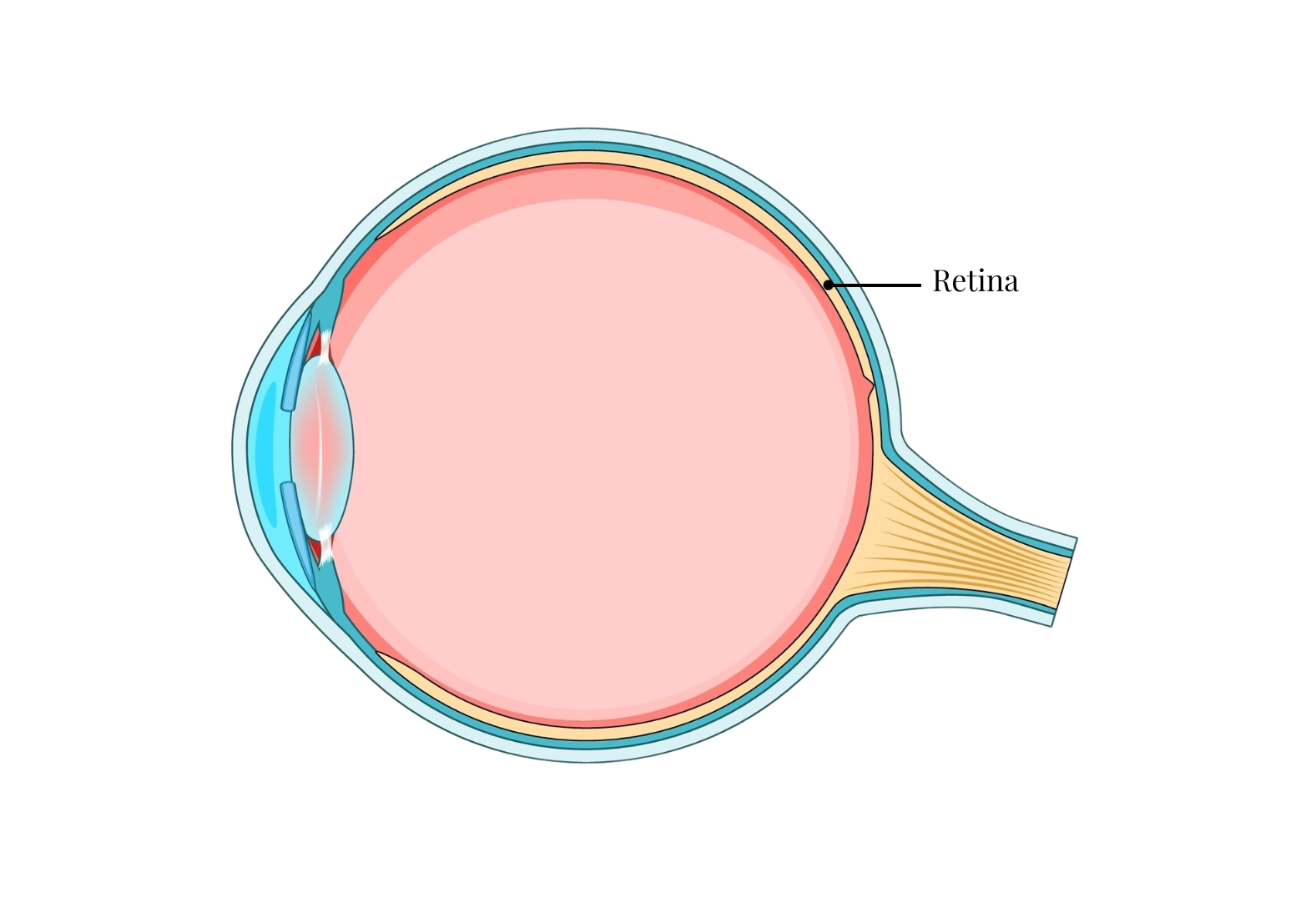

What is the Retina?
The retina is a thin, delicate layer of tissue lining the back of the eye. It plays a critical role in vision by receiving light and converting it into signals that are sent to the brain, allowing you to see clearly.
Because the retina is highly sensitive, even small problems can lead to noticeable changes in vision. Many retinal conditions may progress quietly at first, making early assessment especially important.
Common Retinal Conditions
The retina is affected by a wide range of conditions, some developing gradually and others occurring suddenly.
At Ascend Eye Clinic, Dr Errol Chan manages both common and complex retinal problems, including:
Retinal
Detachment
Separation of the retina from the eye wall, requiring urgent treatment to prevent permanent vision loss.
Central Serous
Retinopathy
Fluid leakage under the retina that causes blurred or distorted central vision.
Epiretinal Membrane
(Macular Pucker)
A thin layer of scar tissue forming on the macula, leading to visual distortion, blind spots, and blurring.
Dislocated or
Subluxed Lens
Movement of the eye’s natural lens out from its normal position, affecting vision clarity and stability.
Diabetic Retinal
Disease
Retinal damage caused by diabetes, progresses silently without regular eye checks.
Age-Related Macular Degeneration
A retinal condition affecting central vision, commonly associated with aging.
Retinal Vein
Blockage
Blocked blood flow in retinal veins, leading to sudden or sub-acute vision loss.
Retinal Artery
Blockage
A serious retinal condition caused by interrupted blood supply to the retina, requiring urgent medical attention.
Macular
Hole
A break in the retina at the macula region, that causes central vision distortion or blurring.
Visual Floaters
and Spots
Uveitis and Eye
Inflammation
Inflammation inside the eye that affects the retina and threatening vision if untreated.
Genetic Eye
Conditions
Inherited retinal disorders that impact vision and require long-term monitoring.
Senior Consultant Ophthalmologist
ASCEND EYE CLINIC, SINGAPORE
Medical Director & Senior Consultant Ophthalmologist
ASCEND EYE CLINIC, SINGAPORE
Early Detection of Retinal Conditions
Many retinal conditions develop gradually and may not cause noticeable symptoms in their early stages. By the time vision changes become obvious, irreversible retinal damage may already have occurred.
Regular eye examinations are essential for detecting subtle retinal changes early, often before vision is affected. Early diagnosis allows timely monitoring or treatment, helping to reduce the risk of permanent vision loss and preserving long-term visual function.
Types of Cataract Surgery
At Ascend Eye Clinic in Singapore, cataract surgery may be performed using either a conventional technique or a laser-assisted (bladeless) approach. Our doctors will assess your eye condition and discuss which method is suitable for your needs and visual goals. Both procedures can be paired with different intraocular lens options to improve vision and may reduce dependence on glasses, depending on individual outcomes.
Standard Cataract Surgery
During surgery, the lens capsule is first opened. Ultrasound energy is then delivered via a hand-held phacoemulsification probe to break up the cloudy lens, which is subsequently removed with suction through the device. A clear intraocular lens implant is then placed into the lens capsule, so that clarity of vision can be restored. This is an established and effective technique.

Bladeless (Laser-Assisted) Cataract Surgery
Bladeless cataract surgery uses femtosecond laser technology to perform 3 surgical steps in the cataract surgery procedure. These steps use computer-guided precision to create entry sites in the eye for instrument passage, open the lens capsule, and break up the cloudy lens. This technique have several benefits:
- Better safety for complex cataracts
- Greater precision with lens implant alignment, favoring more consistent outcomes
- Smoother & faster recovery

Treatment for Retinal Diseases
At Ascend Eye Clinic Singapore, we place a priority on providing both established and newer treatments for a wide range of retinal diseases. Every treatment plan is customised to the individual, based on the retinal condition, disease severity, and visual needs, with the aim of achieving the best possible outcomes.
For common retinal conditions, we offer the following treatments:
Age-Related Macular Degeneration (AMD)
Management of macular degeneration focuses on controlling disease activity and slowing progression.
- Intravitreal anti-VEGF injections, including newer agents, to control abnormal blood vessel growth and leakage
- Photodynamic Therapy (PDT), a cold laser treatment used to stop leakage in selected types such as polypoidal macular degeneration
- Photobiomodulation, a low-level light therapy that may help reduce progression in selected early to intermediate stages
- Intravitreal anti-complement factor injections, novel FDA-approved therapies that slow progression in advanced dry AMD
- Vitamin supplementation for suitable patients
- Vitrectomy and submacular haemorrhage displacement, a surgical treatment for large retinal bleeds where blood is lysed and displaced away from the macula using medication and a gas bubble
Diabetic Eye Disease
Diabetic retinal disease requires timely and carefully planned treatment to prevent permanent vision loss.
- Intravitreal anti-VEGF injections to reduce retinal swelling and control abnormal blood vessel growth
- Panretinal photocoagulation (PRP) to reduce the risk of severe bleeding and disease progression
- Macular laser photocoagulation to stabilise focal leakage affecting central vision
- Vitrectomy surgery for advanced cases with persistent bleeding or traction on the retina
Retinal Detachment
Retinal detachment requires prompt intervention and appropriate surgical repair.
- Vitrectomy surgery to reattach the retina internally
- Scleral buckle surgery to provide external support and relieve retinal traction
- Pneumatic retinopexy, using a gas bubble in selected cases
- Laser photocoagulation to seal retinal tears or support surgical repair
Epiretinal membrane or Macular hole
These conditions affect the surface or central part of the retina and can cause visual distortion or blurred central vision.
- Vitrectomy with membrane peeling and gas tamponade to remove abnormal tissue and support macular healing
Secondary Lens Implant Surgery
When you have had cataract surgery or another lens implant procedure and develop a lens-related complication that affects the vitreous or retina, specialised vitreoretinal surgery is required to manage the condition safely.
- Removal of a dislocated or unstable lens implant from the vitreous cavity
- Replacement with a scleral-fixated or iris-fixated lens implant, selected based on eye anatomy and support structures
- Vitrectomy performed concurrently, when required, to manage vitreous involvement and protect the retina
Treatment for Retinal Diseases
At Ascend Eye Clinic Singapore, we place a priority on providing both established and newer treatments for a wide range of retinal diseases. Every treatment plan is customised to the individual, based on the retinal condition, disease severity, and visual needs, with the aim of achieving the best possible outcomes. For common retinal conditions, we offer the following treatments:
Age-Related Macular Degeneration (AMD)
Management of macular degeneration focuses on controlling disease activity, slowing progression, and preserving central vision. Treatment is guided by the type of AMD and the stage of the disease.
Treatment options include:
- Intravitreal anti-VEGF injections, including newer agents, to control abnormal blood vessel growth and leakage
- Photodynamic Therapy (PDT), a targeted cold laser treatment for selected subtypes such as polypoidal macular degeneration
- Intravitreal anti-complement factor injections, FDA-approved therapies that slow progression in advanced dry AMD
- Vitrectomy, with submacular haemorrhage displacement for selected cases of large retinal bleeds affecting the macula
Diabetic Eye Disease
Diabetic retinal disease requires timely and carefully planned treatment to prevent progressive and irreversible vision loss. Management is guided by the severity of retinal damage and the presence of swelling or abnormal blood vessels.
Treatment options include:
- Intravitreal anti-VEGF injections to reduce retinal swelling and control abnormal vessel growth
- Panretinal photocoagulation (PRP) to reduce the risk of severe bleeding and disease progression
- Macular laser photocoagulation to stabilise focal leakage affecting central vision
- Vitrectomy surgery for advanced cases with persistent bleeding, traction, or retinal detachment
Retinal Detachment
Retinal detachment requires prompt intervention and appropriate surgical repair.
- Vitrectomy surgery to reattach the retina internally
- Scleral buckle surgery to provide external support and relieve retinal traction
- Pneumatic retinopexy, using a gas bubble in selected cases
- Laser photocoagulation to seal retinal tears or support surgical repair
Epiretinal membrane
Epiretinal membrane occurs when a thin layer of tissue forms on the surface of the retina, leading to blurred or distorted central vision. Treatment decisions depend on symptom severity, visual function, and disease progression.
Treatment options include:
- Observation and monitoring for mild cases with stable vision
- Vitrectomy with membrane peeling to remove the vitreous gel and abnormal surface tissue
- Selective gas tamponade to support retinal recovery and optimise visual outcomes
Macular hole
A macular hole is a defect in the central retina that causes blurred or distorted central vision. Early assessment and timely treatment are important, as outcomes depend on the size and duration of the hole.
Treatment options include:
- Vitrectomy surgery to relieve traction on the macula
- Internal limiting membrane (ILM) peeling to promote hole closure and reduce recurrence
- Gas tamponade to support healing of the macula during recovery. Postoperative positioning and follow-up play an important role in recovery.

Secondary Lens Implant Surgery
When you have had cataract surgery or another lens implant procedure and develop a lens-related complication that affects the vitreous or retina, specialised vitreoretinal surgery is required to manage the condition safely.
- Removal of a dislocated or unstable lens implant from the vitreous cavity
- Replacement with a scleral-fixated or iris-fixated lens implant, selected based on eye anatomy and support structures
- Vitrectomy performed concurrently, when required, to manage vitreous involvement and protect the retina
Medical Director & Senior Consultant Ophthalmologist
ASCEND EYE CLINIC
About Dr Errol Chan
About Dr Errol Chan

Dr Errol Chan is the Medical Director and Senior Consultant Ophthalmologist at Ascend Eye Clinic Singapore. With over 18 years of clinical and surgical experience in ophthalmology and more than 10,000 eye procedures performed, he provides dedicated care for a wide range of retinal conditions.
He received his medical and specialist training at the National University of Singapore and holds multiple international fellowships and accreditations, reflecting extensive clinical and surgical exposure across different healthcare systems.
Dr Chan is triple-fellowship accredited in retinal disease and surgery. He was awarded a fellowship by the Retina Foundation of Canada to pursue advanced training in Vitreoretinal Diseases and Surgery at McGill University. He also completed Medical Retina and Uveitis Fellowship training, as well as Advanced Vitreoretinal Surgery Fellowship training at Moorfields Eye Hospital, London.
This combined international experience allows him to manage a broad spectrum of retinal diseases using current diagnostic modalities and evidence-based treatments.
His professional credentials include contributions to ophthalmology through more than 40 peer-reviewed publications and textbook chapters, presentations at international conferences, involvement as an investigator in clinical trials, and mentoring of residents and medical students. His work has been recognised with several international awards.
Dr Chan has particular expertise in managing retinal detachment, diabetic retinal disease, and complex retinal disorders, applying meticulous assessment, advanced diagnostic tools, and precise microsurgical techniques. Known for his detailed and patient-focused approach, he ensures that every treatment plan is clearly explained and carefully planned.
Degrees, Accreditations & Qualifications
Professional Achievements
- Authored more than 40 articles in leading Ophthalmology journal publications and textbook chapters in areas of glaucoma, cataract surgery, myopia, vitreoretinal diseases and surgery
- Multiple international awards from the World Glaucoma Association, Retina Foundation of Canada, and the Asia-Pacific Vitreoretinal Society
- Speaker at international conferences in cataract surgery and retinal diseases and surgery
- Lecturer at regional and international teaching courses in eye surgery
- Investigator in international clinical trials developing novel treatments for eye diseases
Previous Appointments
- Consultant Ophthalmologist, National Health Service, UK
- Visiting Consultant Ophthalmologist, National University Hospital Singapore
- Clinical Lecturer, Yong Loo Lin School of Medicine, National University Hospital Singapore
- Adjunct Research Fellow, Singapore Eye Research Institute
Why Choose Ascend Eye Clinic in Singapore?
Clinical Excellence & Precision in Retinal Care
Managing retinal conditions requires accurate diagnosis, careful surgical planning, and refined microsurgical techniques. Dr Errol Chan applies meticulous attention to detail to achieve safe and reliable outcomes.
Experience managing complex retinal conditions
Retinal problems often coexist with cataract, glaucoma, diabetes, or previous eye surgery. These conditions are carefully assessed and managed together to protect overall eye health and visual function.
Advanced diagnostic and surgical technology
Comprehensive retinal imaging and microsurgical equipment support precise diagnosis, treatment planning, and safe execution of retinal procedures.
High-volume surgical experience
With over 18 years of clinical and surgical experience, Dr Chan regularly treats a wide spectrum of retinal conditions, including complex and high-risk cases.
Clear communication and personalised care
Every patient’s condition, vision goals, and lifestyle are different. Treatment plans are carefully tailored, with clear explanations provided at every stage of care.
Cataract Surgery Cost
The cost of cataract surgery depends on the type of procedure, lens implant, hospital facility and type of anaesthesia.
We will provide a clear cost estimate before treatment.
If you would like to know the estimated cost for your situation, please contact us directly. Our team will review your case details and share a personalized cost range for consultation, tests, and surgery.
We readily assist with your Indonesian insurance paperwork to facilitate your surgery and care in Singapore.
Insurance Partners
We work with a range of international and regional insurance providers to support patients undergoing assessment and treatment for retinal surgery in Singapore. Our team can assist with insurance-related queries and documentation as part of your care journey in Singapore.
3 Steps to Start Your Journey

Chat with Us on WhatsApp
Chat with Us on WhatsApp
Schedule an Appointment in Singapore
Schedule Appointment in Singapore

Receive a Personalized Treatment
Receive a Personalized Treatment
3 Steps to Start Your Journey

Chat with Us on WhatsApp
Schedule Appointment in Singapore

Receive a Personalized Treatment
Frequently Asked Questions (FAQs)

Frequently Asked Questions (FAQs)
Are floaters and flashes always an emergency ?
Not always, but a sudden increase in floaters, flashes, or a shadow in your vision can be a sign of a retinal tear or detachment. It’s safest to have your eyes assessed promptly to rule out urgent causes.
Can retinal diseases cause permanent vision loss ?
Some retinal diseases can lead to permanent vision loss if not treated early. Timely diagnosis and appropriate treatment play a key role in preserving remaining vision and preventing further damage.
Is surgery always necessary and how much does it cost ?
Not all retinal conditions require surgery. Treatment depends on the type and severity of the condition, and may include monitoring, laser treatment, or surgery. In most cases, surgery is the recommended option to save vision. The treatment cost depends on the type of procedure needed. Please contact us directly with your detailed case for estimate cost.
Do retinal treatments require hospital admission ?
Many retinal treatments, including injections and laser procedures, are performed as day procedures. Surgery may require short hospital admission, depending on the type of treatment and individual recovery needs.
Can I fly after retinal surgery ?
If a gas bubble is placed in your eye, air travel must be avoided until your specialist confirms it is safe. Flying too early can cause the gas bubble to expand due to pressure changes and lead to severe pain or complications.
Will I need long-term follow-up for a retinal condition ?
Many retinal conditions require ongoing monitoring even after treatment. Regular follow-up allows early detection of changes and timely intervention to protect long-term vision.
How many days should I plan to stay in Singapore ?
The length of stay depends on your diagnosis and treatment plan. Some patients may only need 1 day for assessment, while others may require 5 to 7 days, to monitor healing and eye pressure before returning home. Our team will guide you based on your treatment schedule. Please WhatsApp and tell us your condition and we will let you know.
Is language support available for international patients ?
Yes. Our team provides assistance in Bahasa Indonesia, as well as other languages, to support international patients throughout their care journey.
Start Your Retina Care
Journey in Singapore
Our dedicated team is here to support you from your initial consultation through treatment and follow-up care. Share your details below, and we will contact you to assist with appointment scheduling, treatment planning, and travel arrangements, with support available in Bahasa Indonesia.